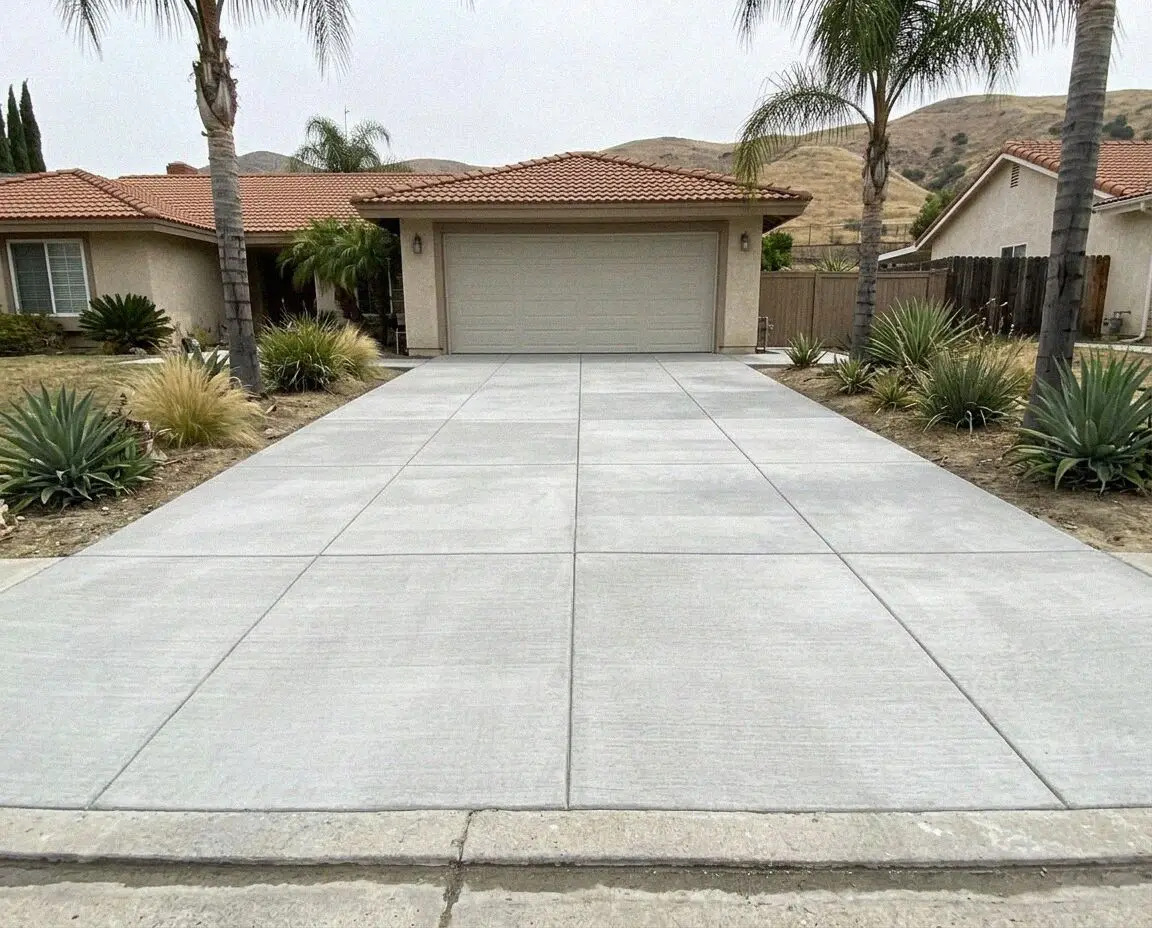
Concrete Driveway Building
Cracking on San Gabriel Valley clay? We pour 4 inch slabs over 4 inches of crushed aggregate base with steel rebar tied on 2 foot grids.

Seventy-year-old tract concrete comes out, and what goes back is sized to the load and jointed the same day. Ruben Alcaraz measures the work at your property before any date is booked.


 5.0 Stars Our customers' own rating · Facebook, Google and the BBB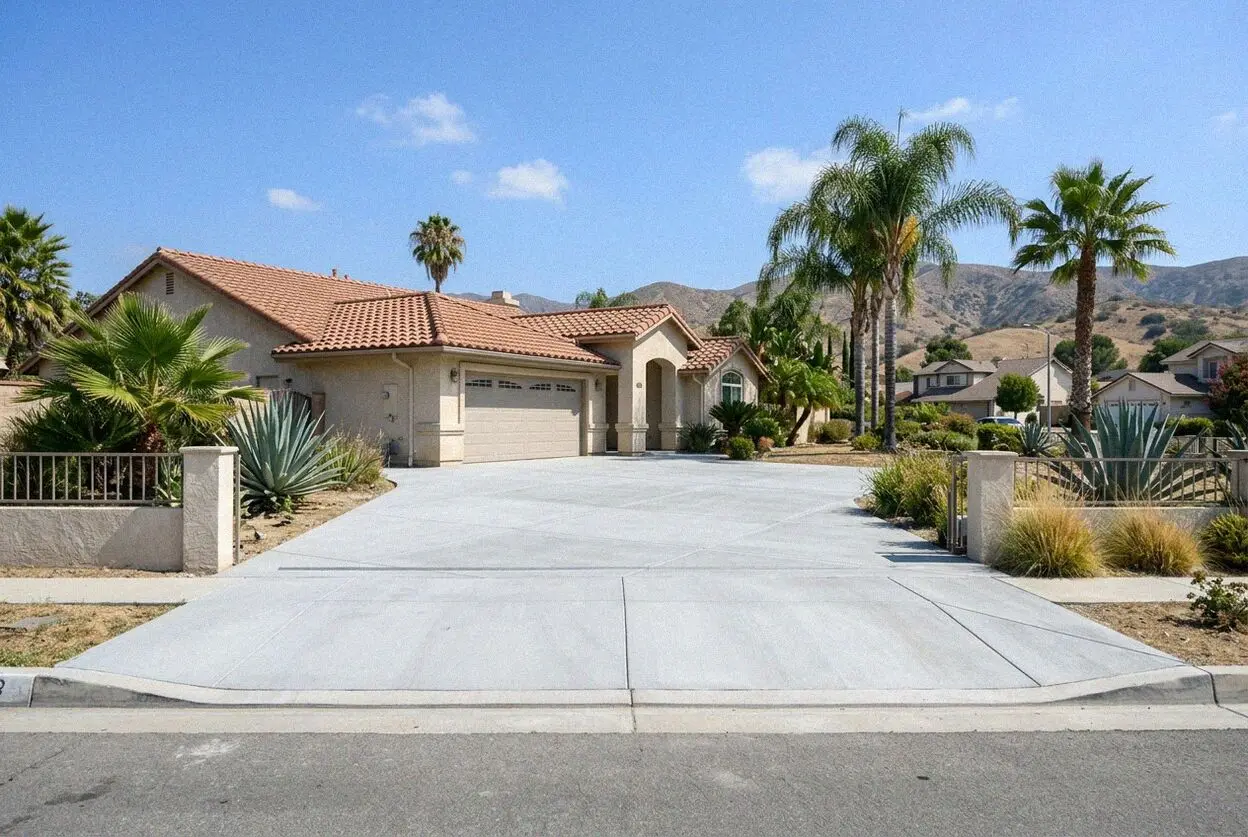
Citrus West Covina Concrete pours for a city that went from 4,499 people in 1950 to 50,645 in 1960, which is why so much of what comes out is original tract work. A driveway broken along the apron, a garage floor that dusts every time it is swept, a wall holding a hill lot above Valley Boulevard, all of it built to California code.
Cracking on San Gabriel Valley clay? We pour 4 inch slabs over 4 inches of crushed aggregate base with steel rebar tied on 2 foot grids.
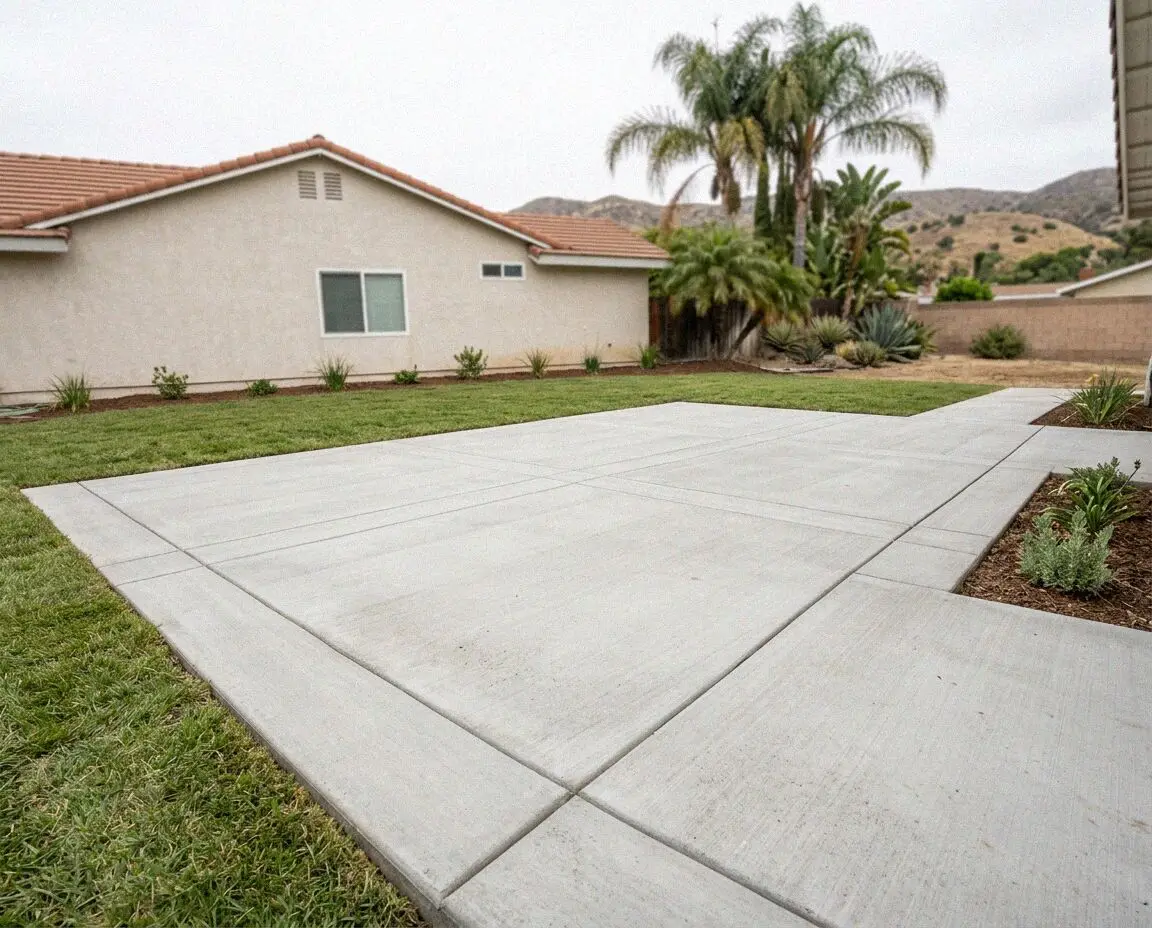
Is your backyard slab shifting on hill clay? We pour four inch patios over four inches of compacted crushed base with rebar at two feet.
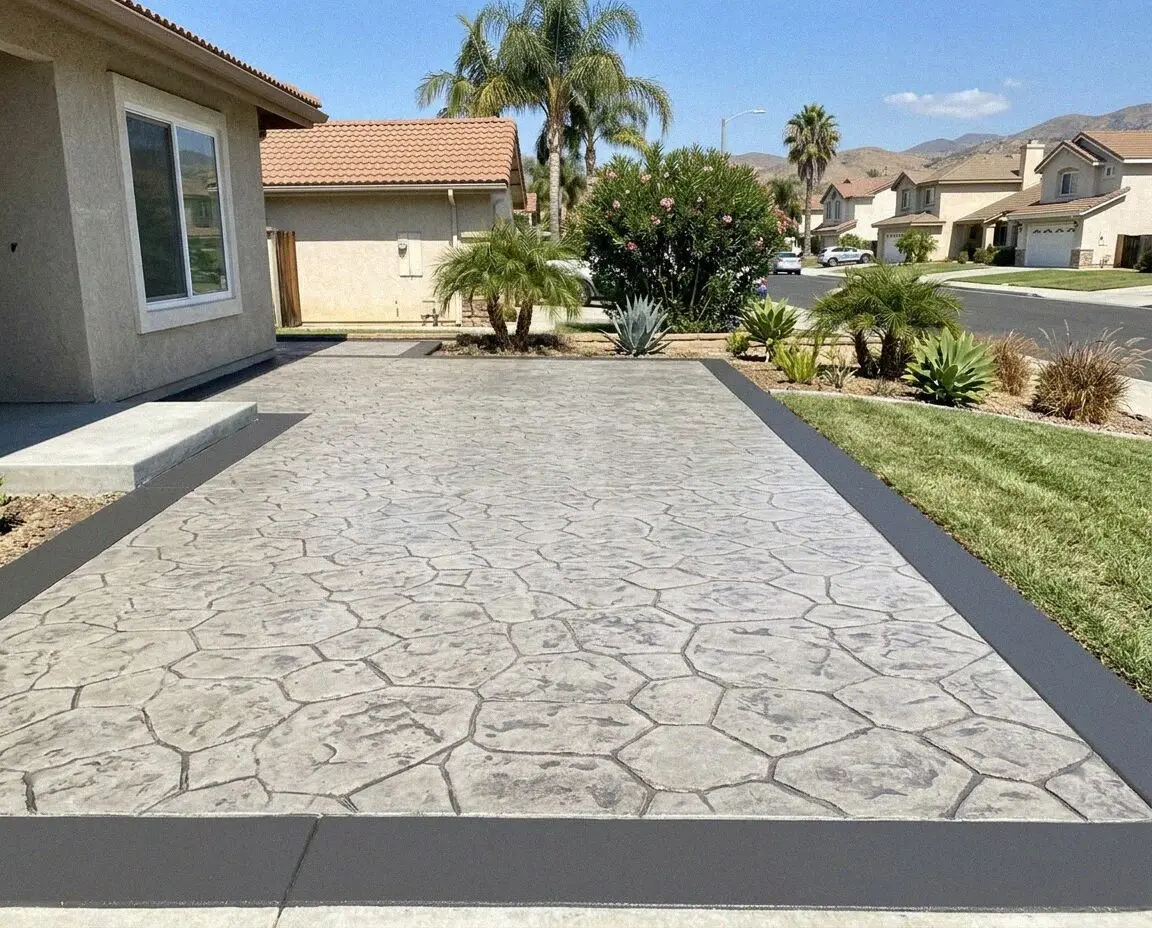
Will clay soil crack decorative slabs? Four inches of crushed base and pattern aligned control joints protect stamped work in West Covina.
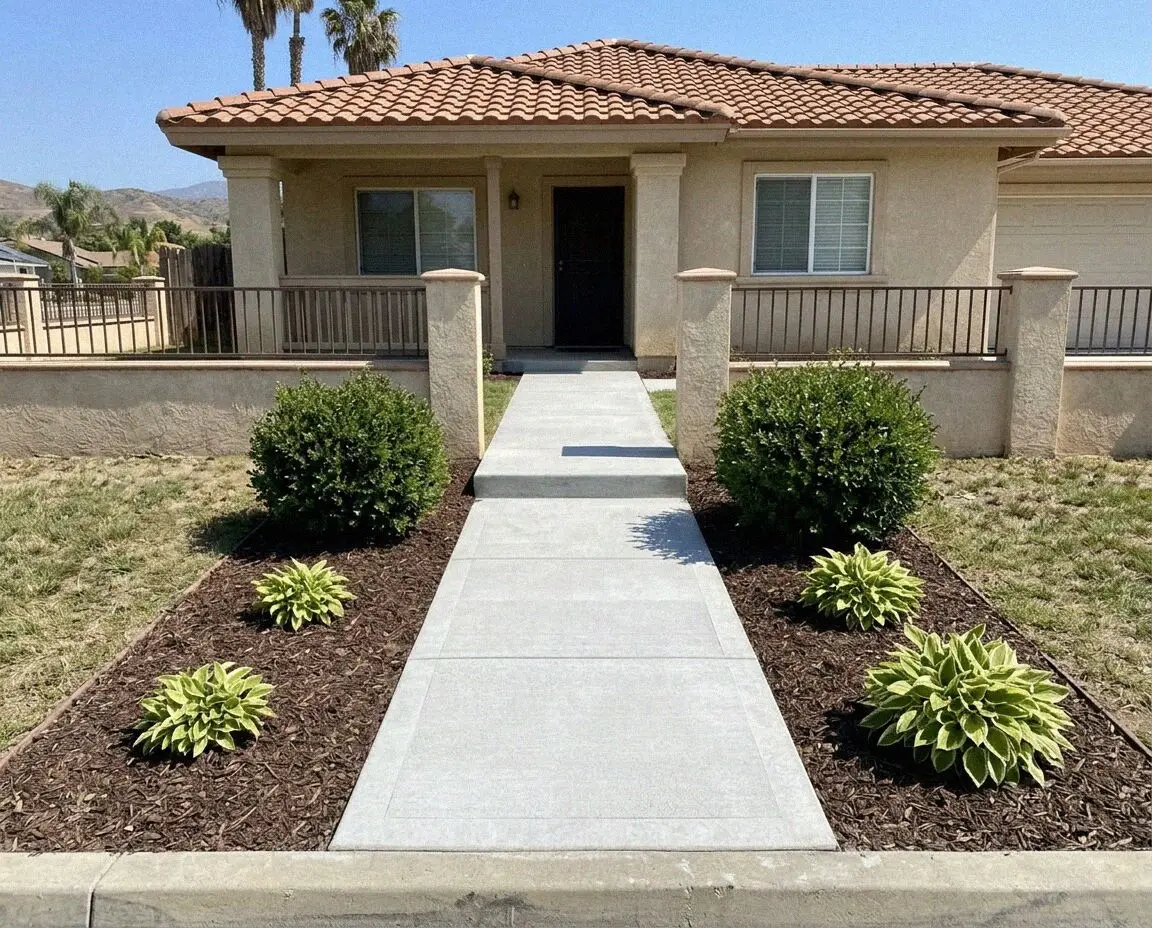
Are tree roots lifting your walkway? We excavate roots, set a 4 inch crushed aggregate subbase, and pour 4 inch slabs pinned to stay flat.
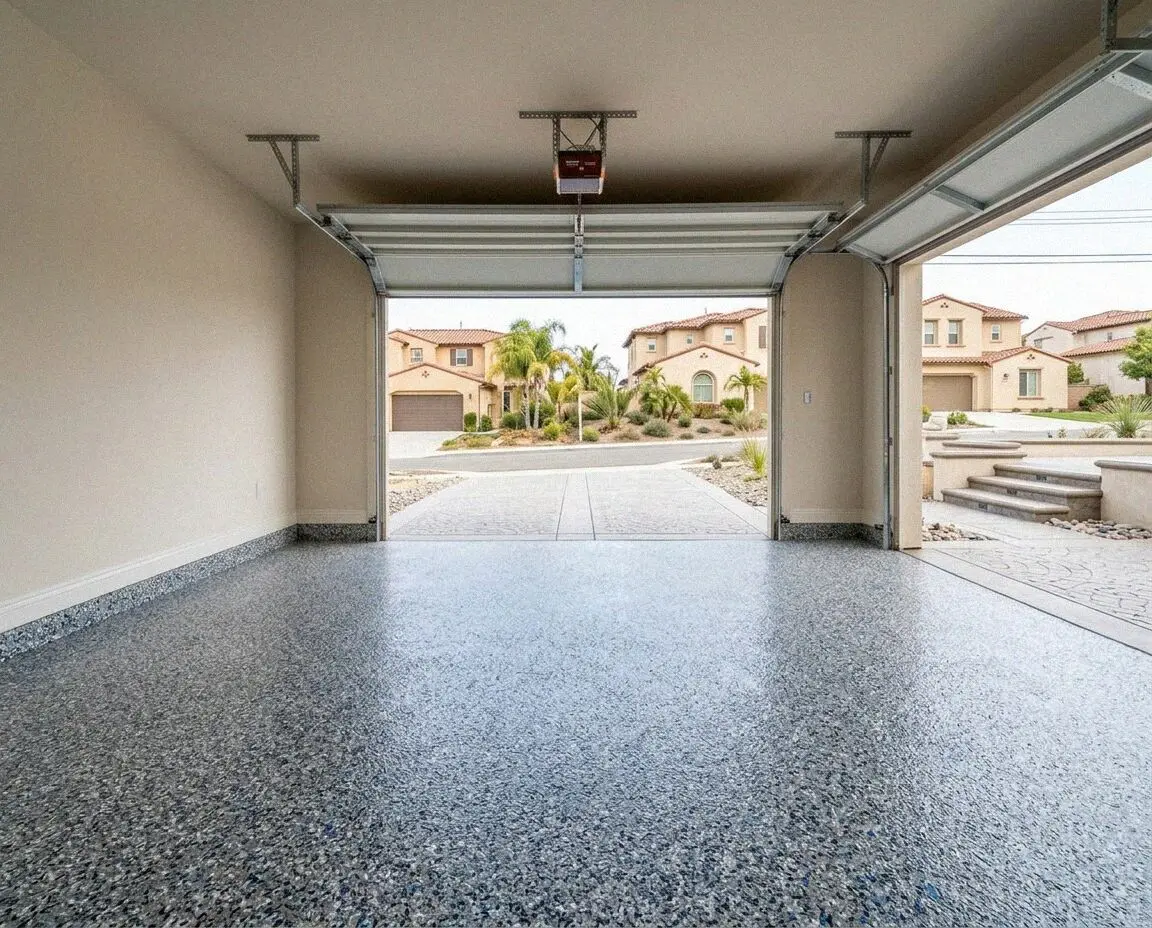
Is your garage slab cracking from clay soil? We pour four-inch slabs with ten-mil vapor barriers and steel reinforcement over crushed rock.
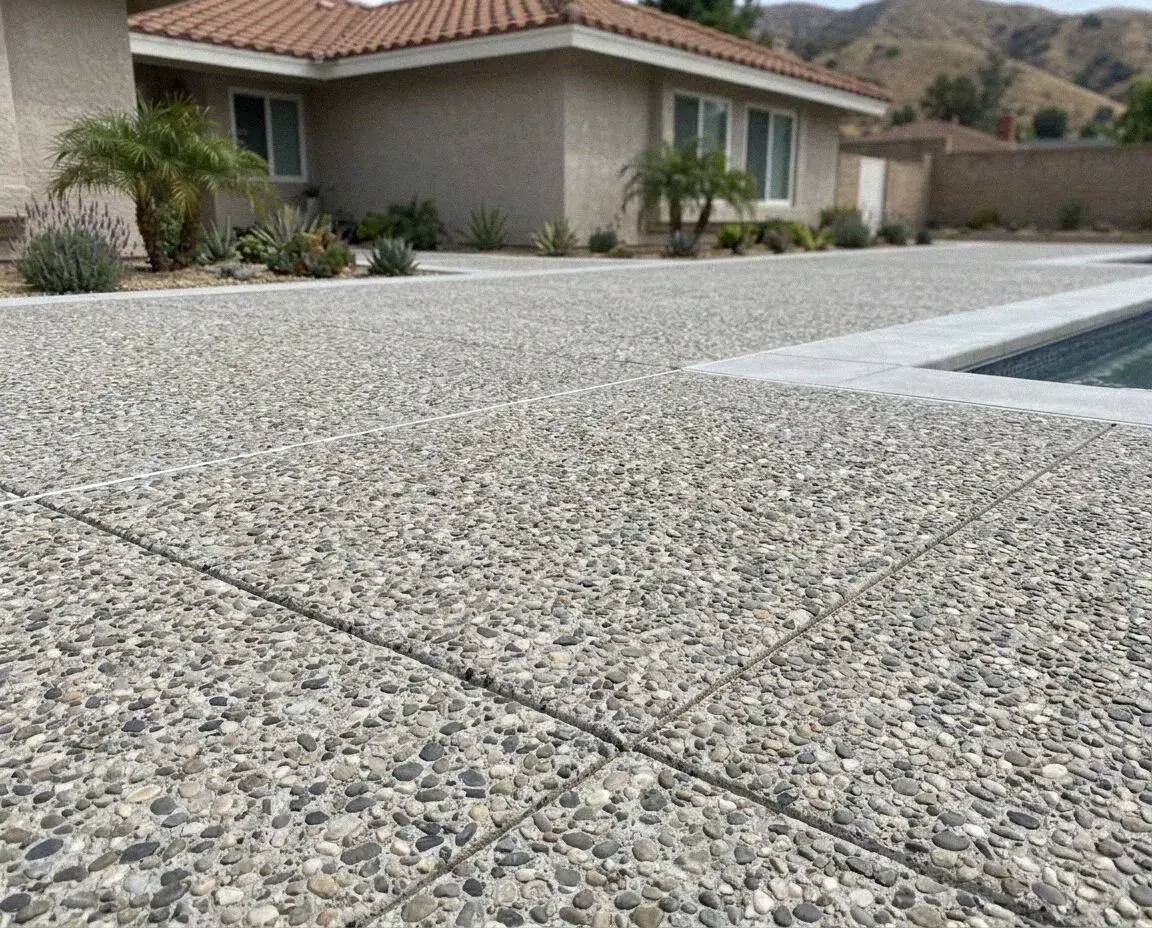
Will stamped surfaces crack on local clay? We place four inches of crushed aggregate base and cut joints directly along the stamp borders.
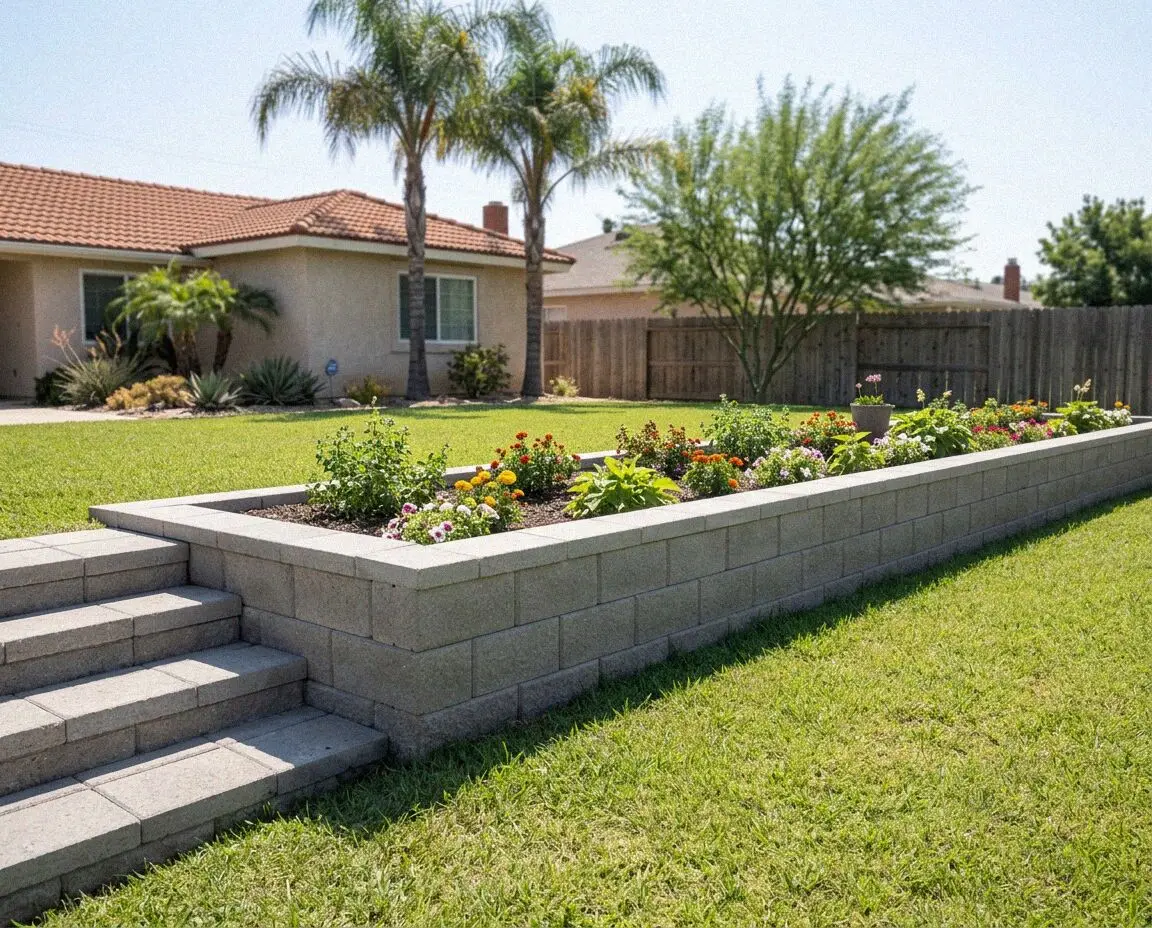
Is slope creep shifting your lot boundaries? We cast 4 foot steel reinforced retaining walls set on 24 inch wide engineered spread footings.
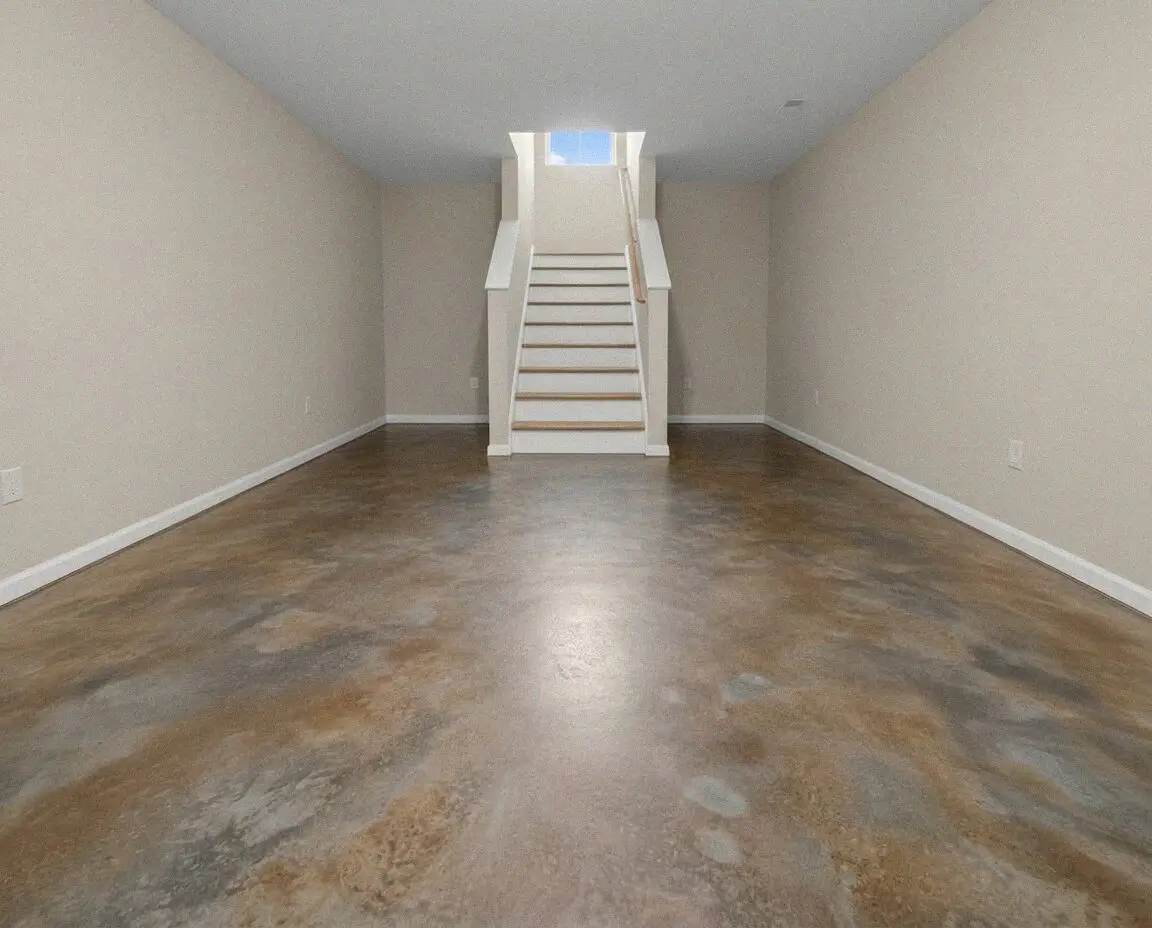
Need an addition slab that stays dry? We place a 15 mil vapor barrier under 4 inches of 3,500 PSI concrete over compacted crushed stone.
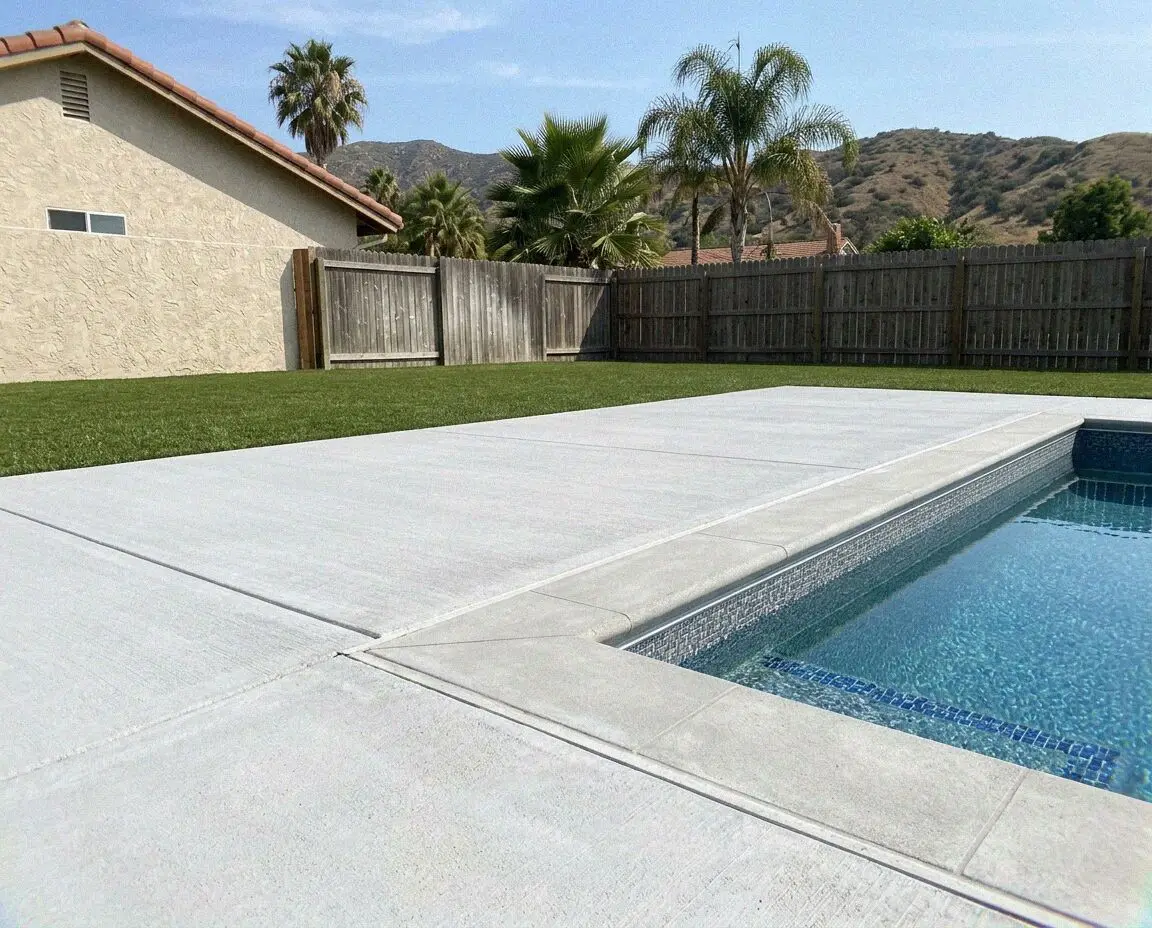
Does clay soil crack your pool deck? We pour 4 inches of 4000 PSI concrete over compacted rock with isolated perimeter expansion joints.
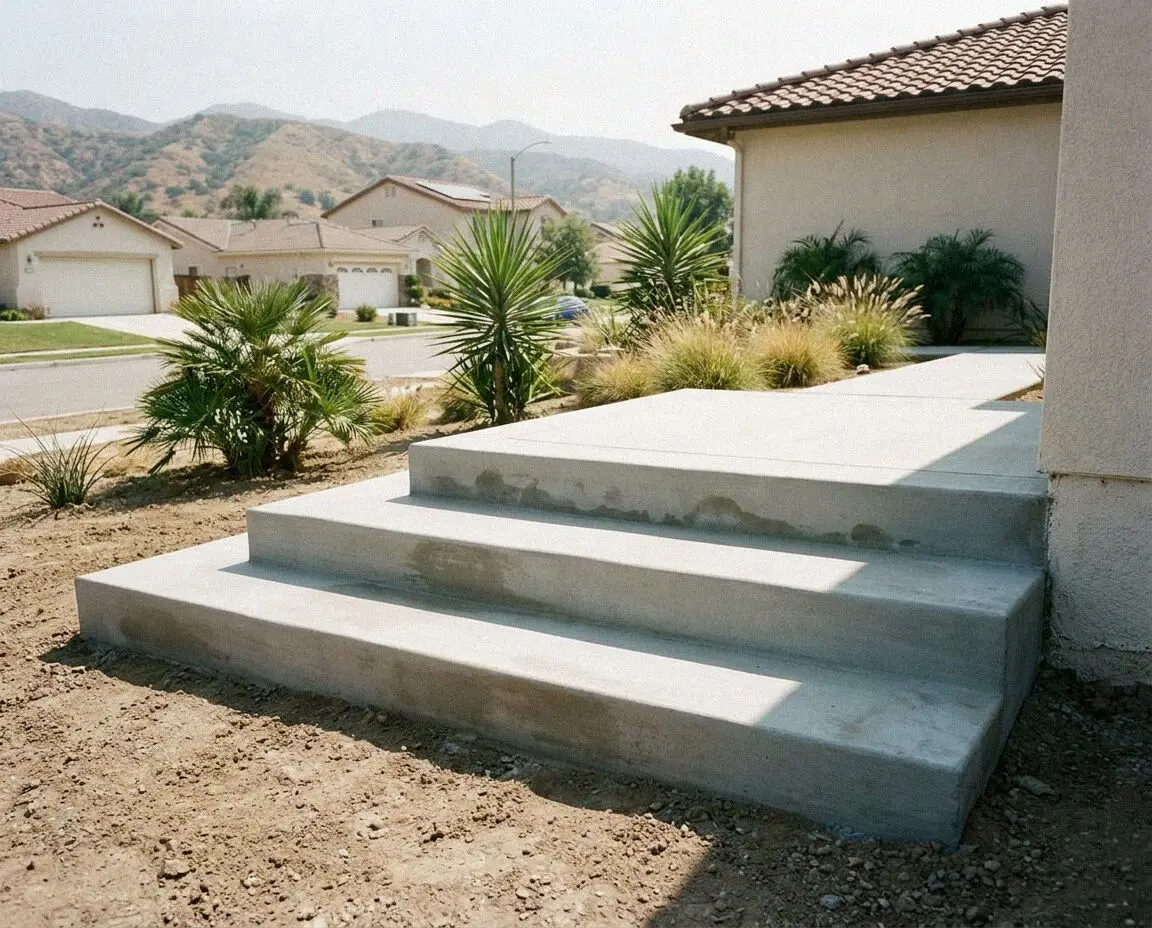
Are your porch steps pulling away from the house? We pour four inch slump concrete doweled into your footing with half inch steel rebar.
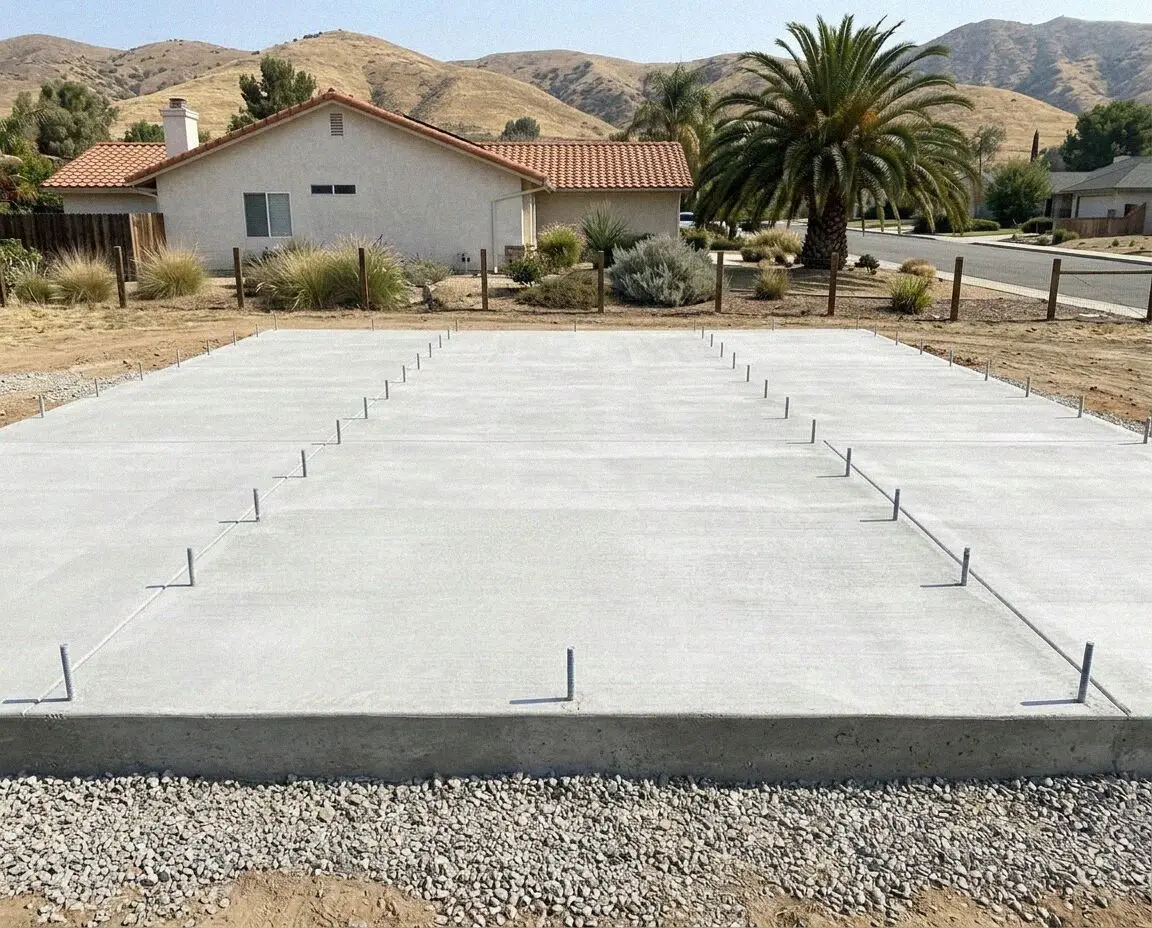
Worried about clay soil shifting your new foundation? We pour 4 inch slabs tied into 12 inch perimeter footings with 4000 PSI concrete.
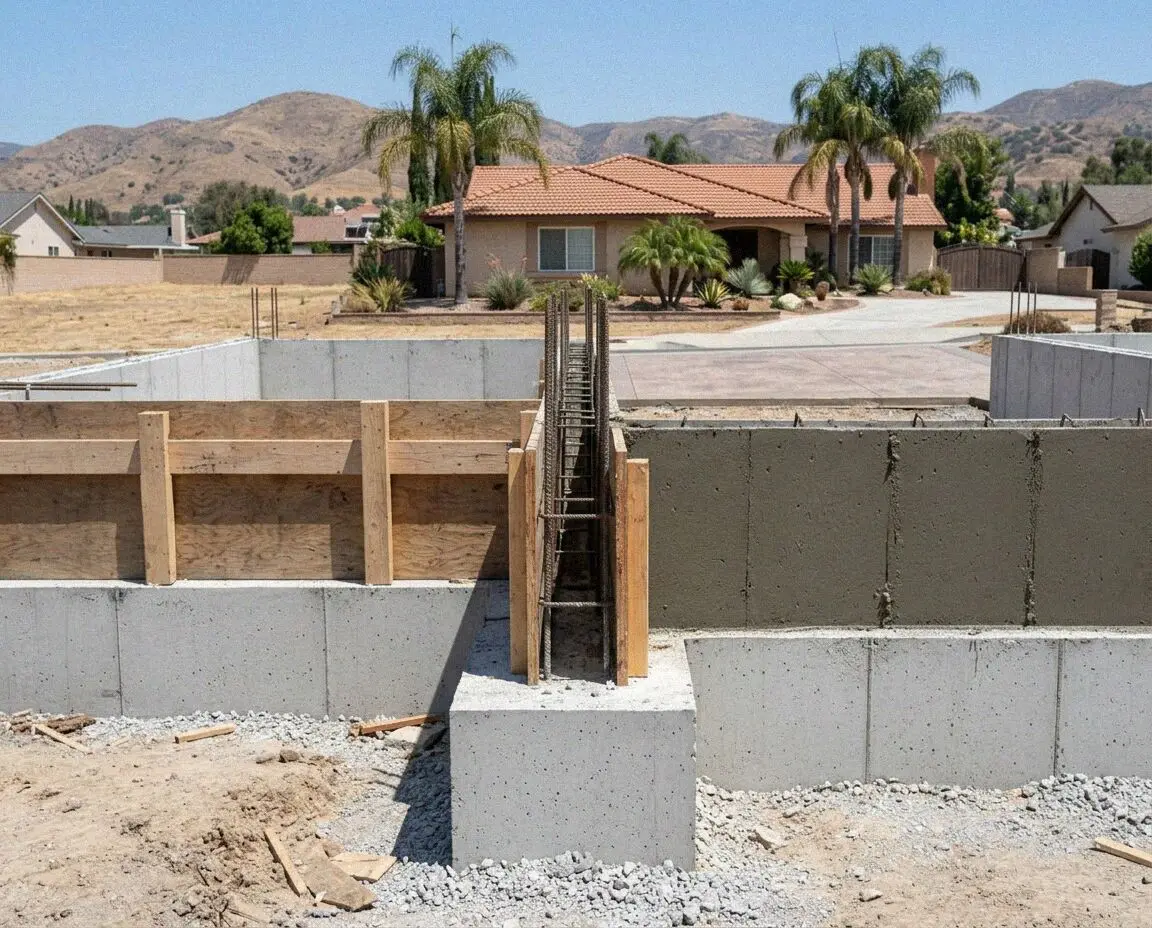
Worried about expansive clay shifting your home? We dig footings 24 inches into stable subgrade with tied grade beams and 4000 PSI mixes.
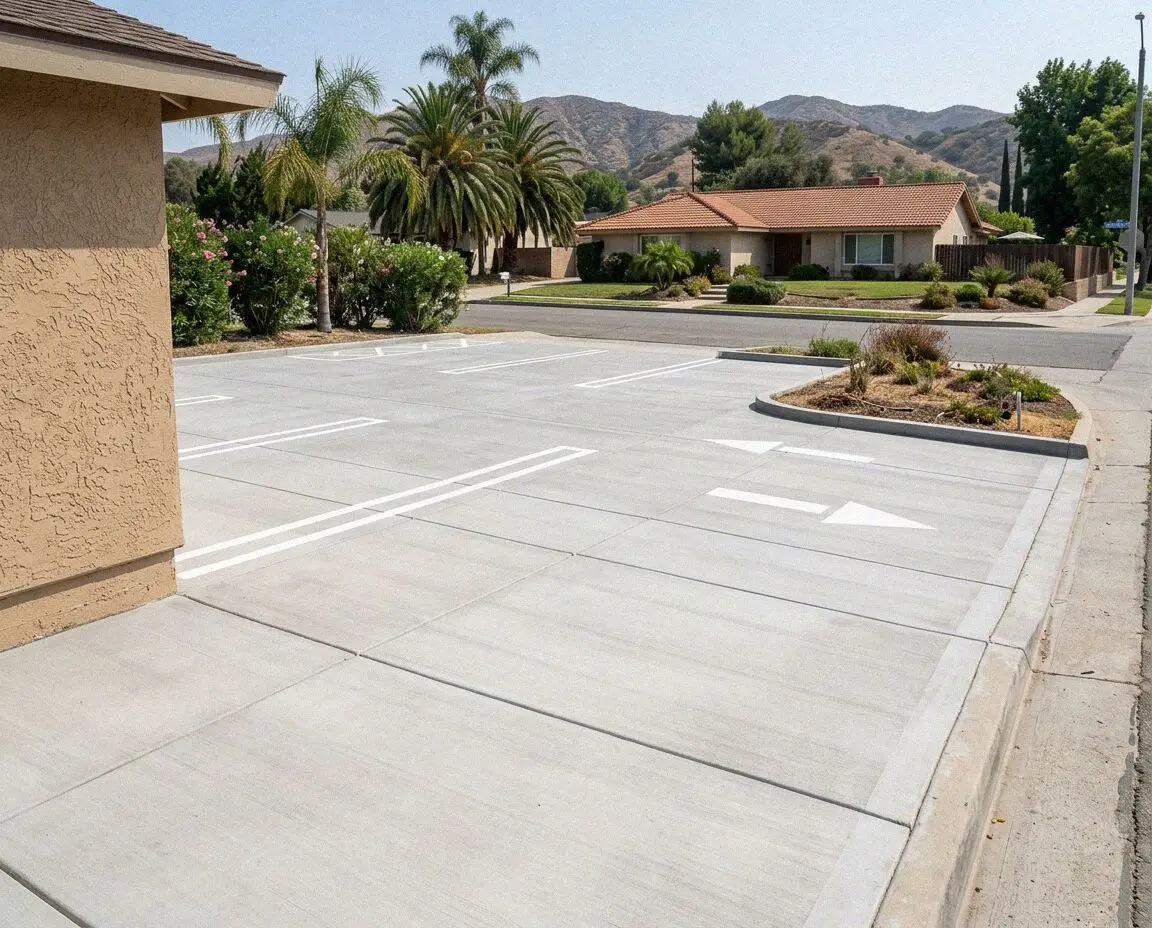
Can your pavement take heavy truck loads? We pour six-inch slabs with grade 60 steel rebar over four inches of compacted crushed rock base.
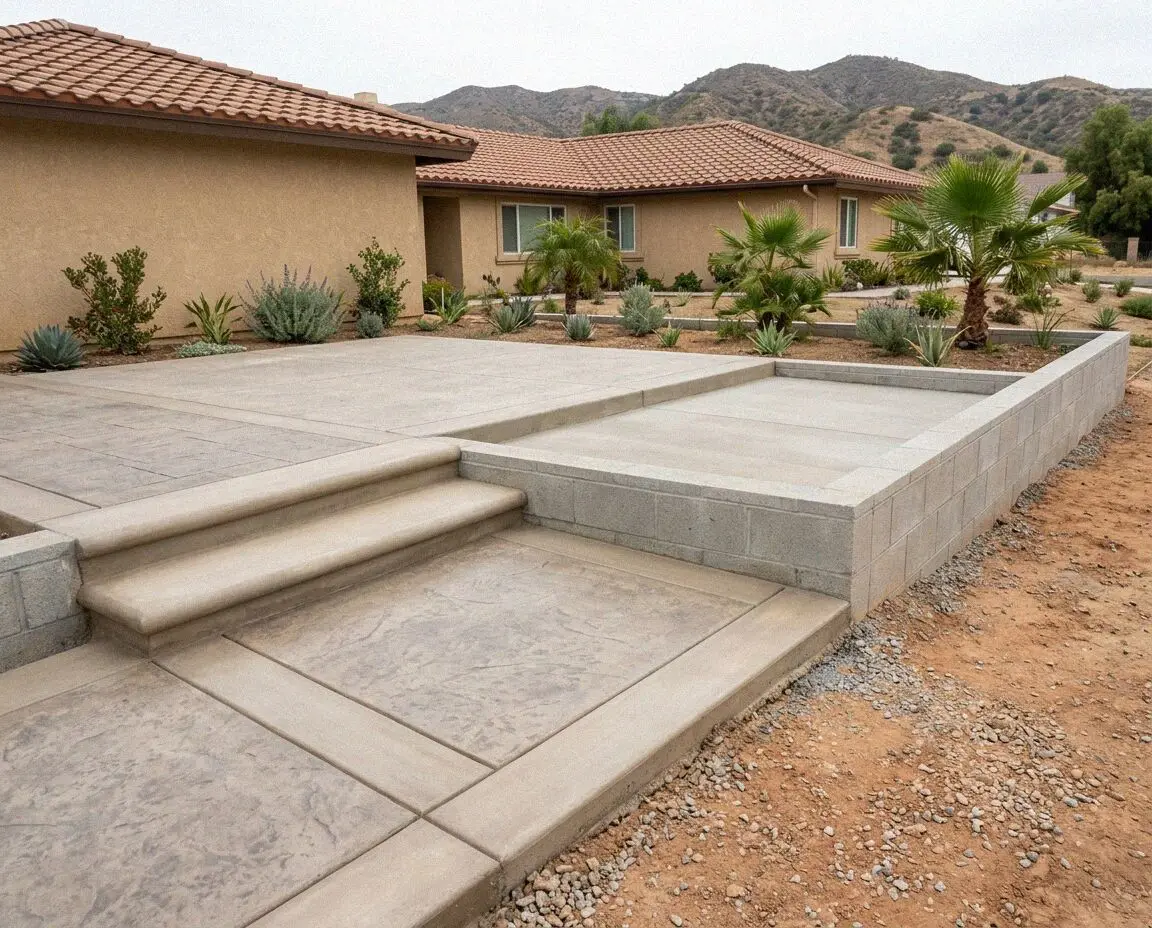
Is your foundation cracking on moving clay soil? We pour continuous footings 18 inches into firm subgrade with tied grade 60 rebar cages.
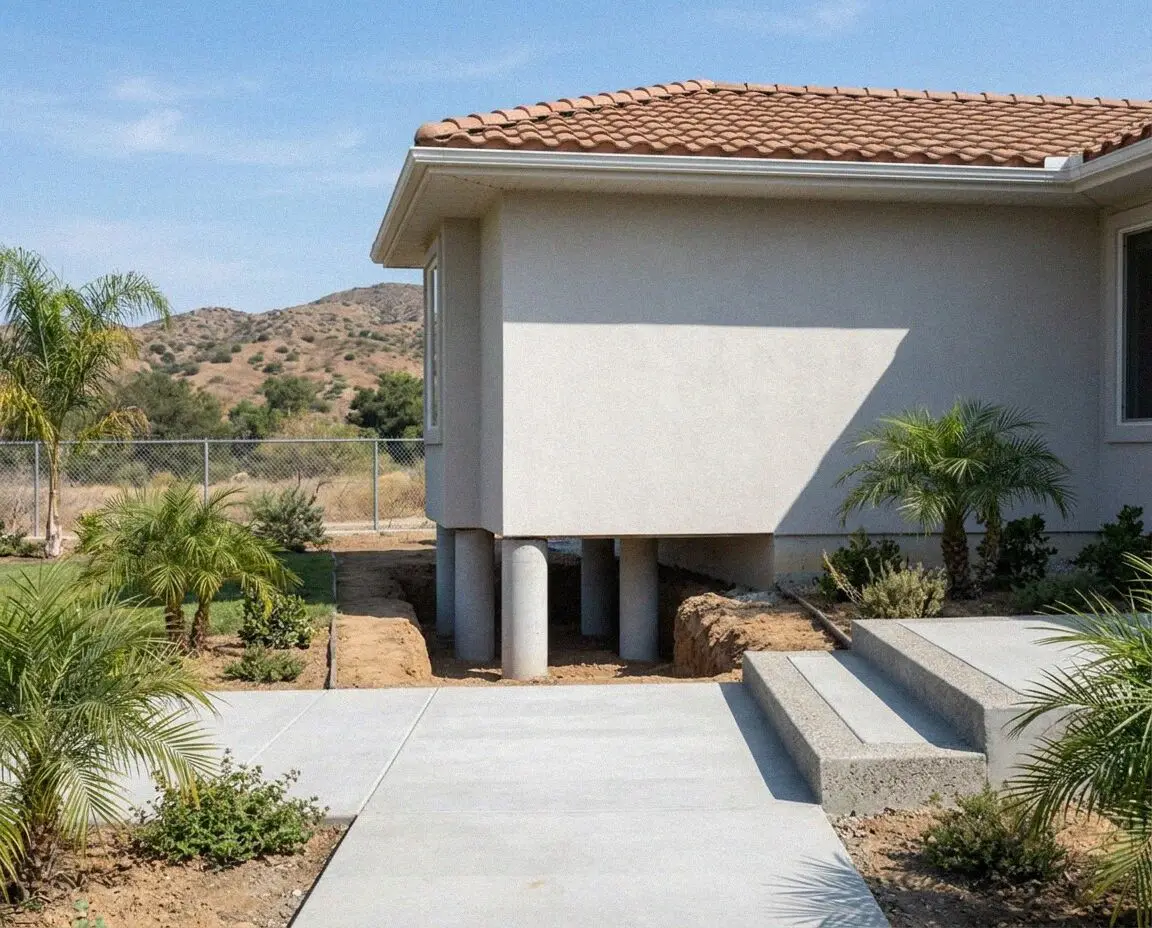
Has your footing dropped from shifting clay? We drive steel pier brackets to 25 feet into load bearing strata to restore your floor level.
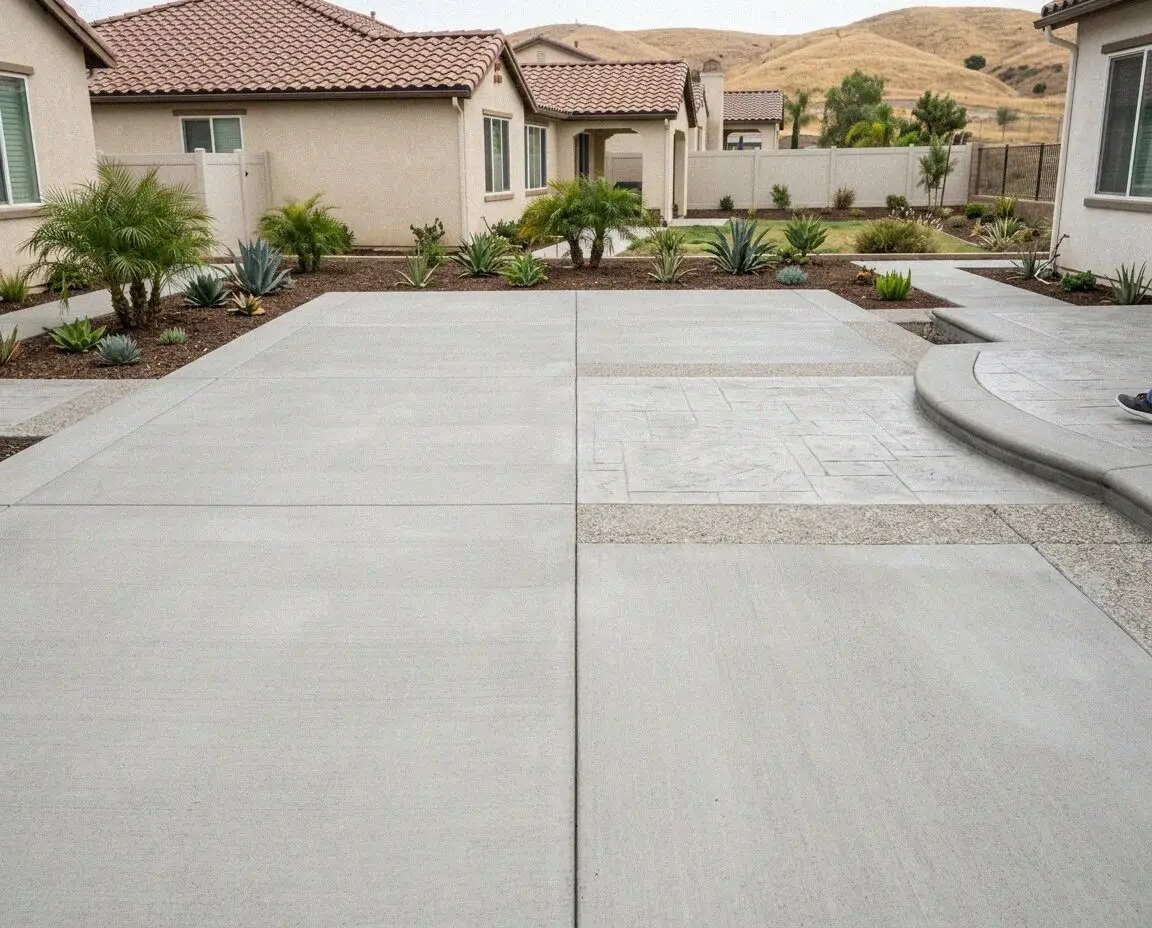
Need to trench a slab without cracking the foundation? We wet saw slabs up to 8 inches deep using diamond blades for clean utility lines.
Four steps sit between the call and a slab you can walk on. Ruben Alcaraz does the measuring and the figure at step two, then works the pour himself at step three.
Ring us, or send the form over, and an answer lands within 1 business day. Your free measure is slotted in inside the same week.
We open the subgrade, read the fall across the lot, then set down demolition, base, pour, finish and haul-away as separate lines.
Whatever the city wants goes in, a crew date is fixed, and the day runs: break out, base, forms, pour, finish, joints sawn.
We clear up and go round the finished work against your sheet, depth, base, joint spacing, edges, and close it once you sign off.
Our license is a C-8 Concrete classification, on file at the California Contractors State License Board under the owner's own name for anybody who wants to check. liability insurance on every job means the truck on your apron and the saw on your walk are our exposure, not yours.
Ruben Alcaraz opened up in 2019 after 16 years working the San Gabriel Valley crews. Which streets sit on clay because they climb into the San Jose Hills, and which sit on wash off the mountains, is knowledge that only comes from having dug them both.
No charge for coming out. The first thing opened on a 1950s lot is the ground beneath the old slab, since seventy years of irrigation and settling change what is down there more than anything on the surface. Demolition, base, pour, finish and haul-away each get a line.
Every job leaves with a written workmanship guarantee against defects in how it was built. Here that usually means a joint that opened because the material below it was never compacted, and that one comes back to us. Clay swelling past what the layout allows does not.
Not sure what you need? (626) 263-1740 or send us a message.
Reviews
Three jobs finished since 2025, told by the owners who paid the invoices: a drive off Vincent Avenue, a patio on the hill side of town, a garage floor near Cortez Park.
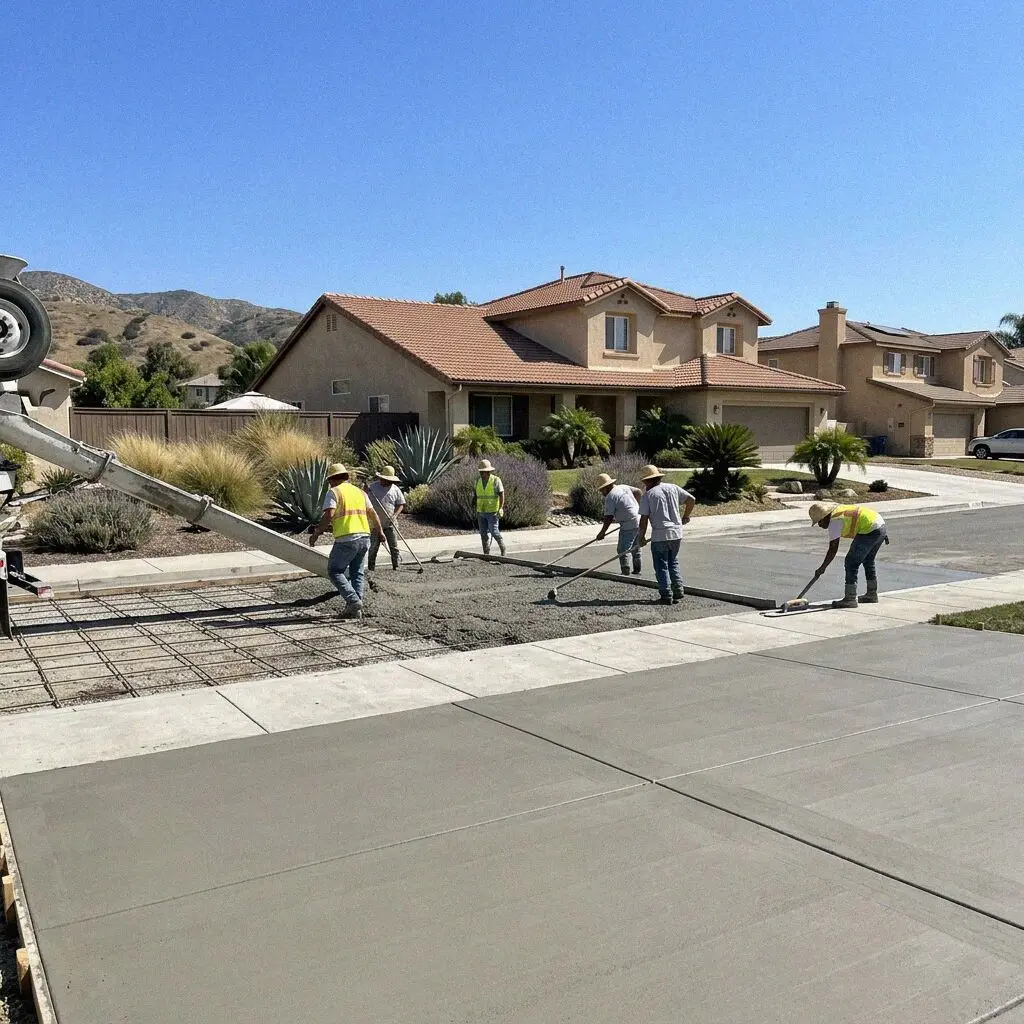
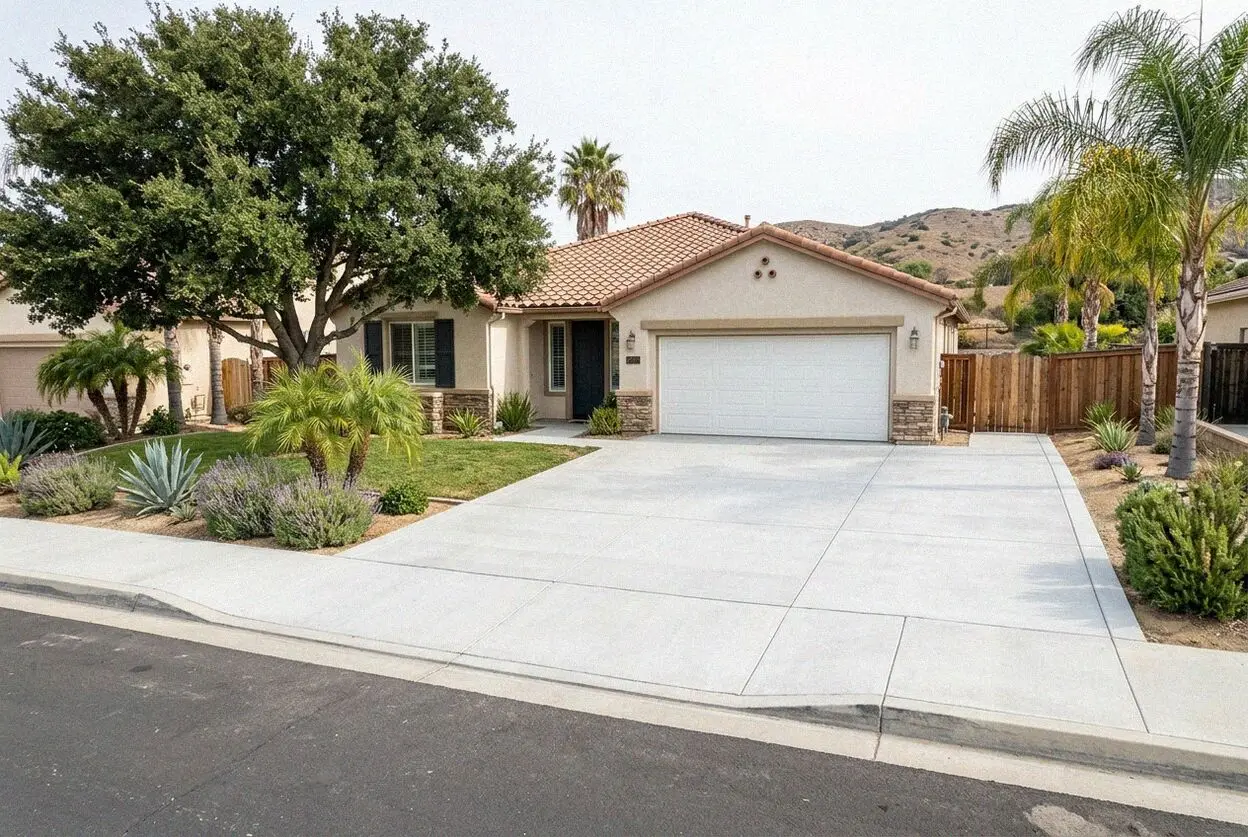
“Our drive was original to the house, 1957, and the apron had broken up where the street trees got underneath it. They lifted 540 square feet, cut the old apron right back to the curb and poured five inches. The joints were sawn before anyone went home.”
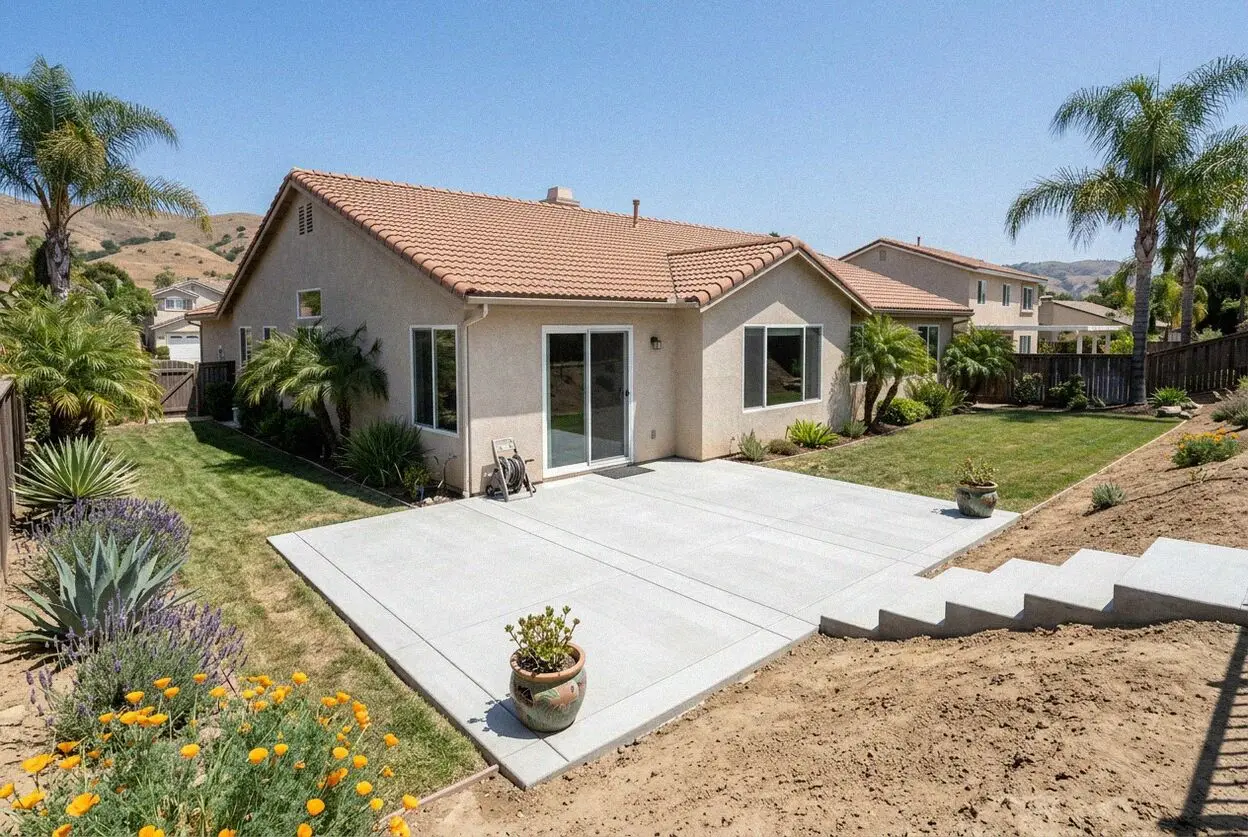
“Our back yard runs downhill into San Jose Hills clay and the old patio had tipped toward the house. Ruben stepped the new one over two levels, 380 square feet, and set the fall away from the wall. Two wet winters on, nothing stands on it.”
“The garage floor dusted every time we swept it and had gone black around the edges. Out it came, sheeting went down underneath at 10 mil, and 440 square feet went back at five inches. He sawed the joints that afternoon and it hoses down clean now.”
Who We Are
Citrus West Covina Concrete pours concrete out of West Covina, CA. Ruben Alcaraz spent 16 years finishing for other outfits around the San Gabriel Valley before opening his own in 2019, and the crew now reaches 20 cities inside 25 miles of the yard.
The city itself is a post-war build. There were 4,499 people here in 1950 and 50,645 by 1960, and the tracts that filled in over that decade are where most of the work is. Those driveways, walks and garage floors are 65 to 75 years old now, well past the 30 to 40 a properly poured slab is good for.
The C-8 Concrete classification is registered to Citrus West Covina Concrete with the California Contractors State License Board, and we carry liability insurance on every job. Plans go across the Building Division counter at 1444 W Garvey Avenue South, and one of our own is present when the inspector calls. Every estimate is measured and written on site.
The Specification
Nothing in the specification changes because a job happens to be a small one. Ground is opened before anything gets compacted, thickness follows whatever will stand on the finished slab, and joints are sawn before the crew leaves for the night.
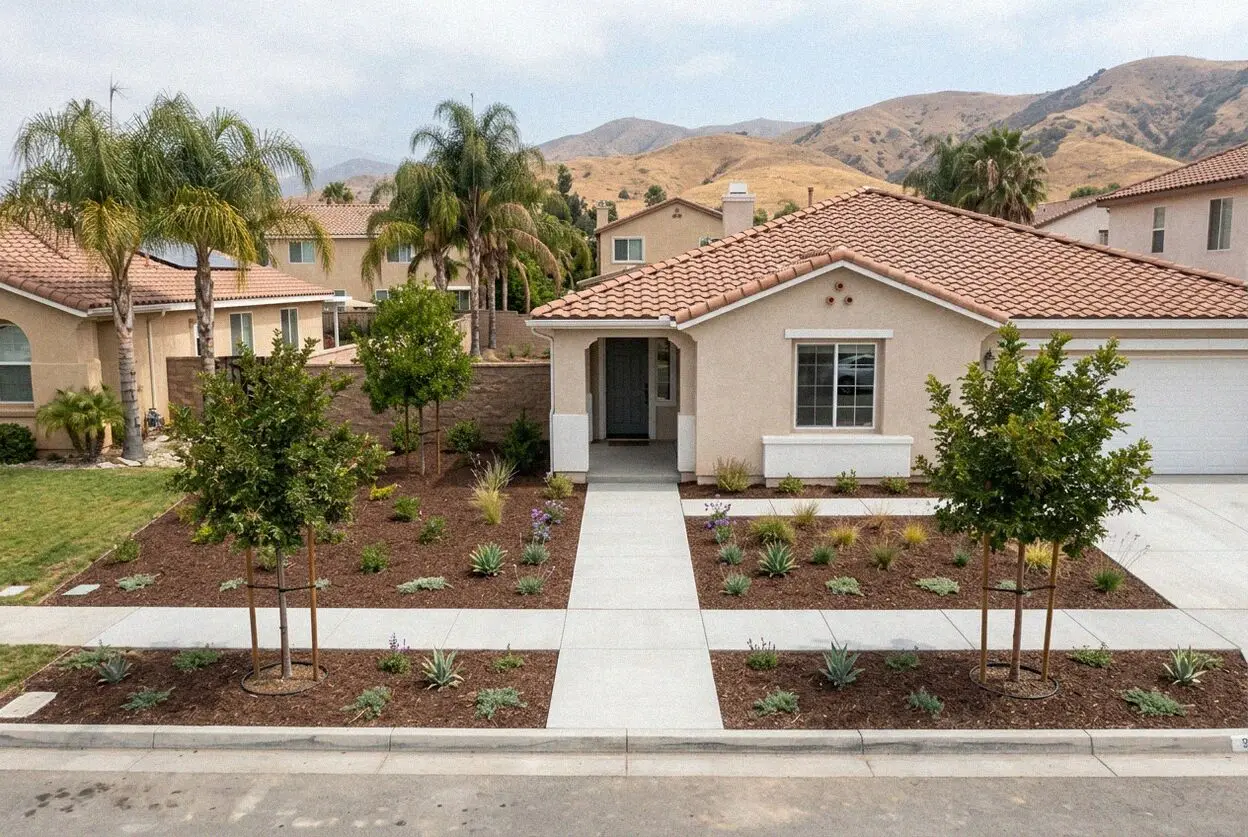
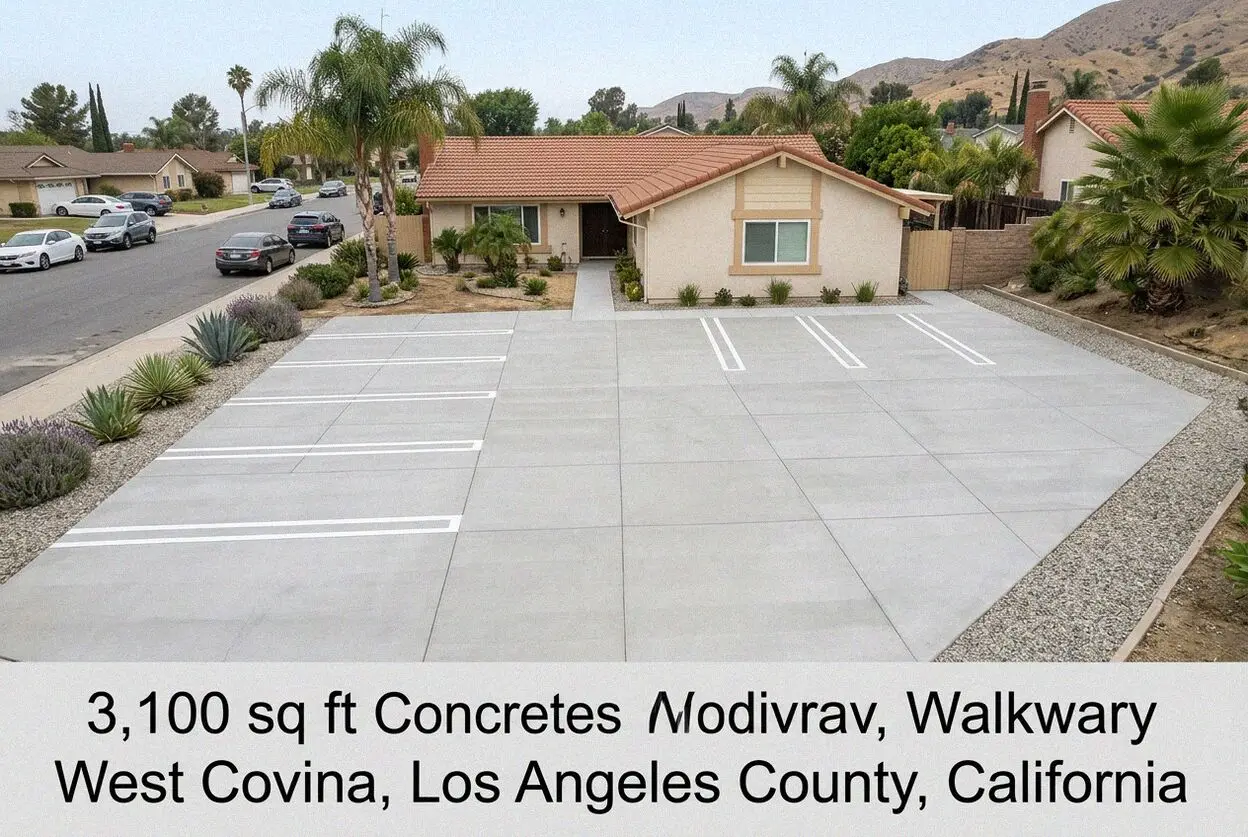
Six finished jobs on streets in daily use here: a driveway on Vincent Avenue, a garage floor near Cortez Park, a wall holding a hill lot on the south side. Each is a short detour if you would rather look before calling.
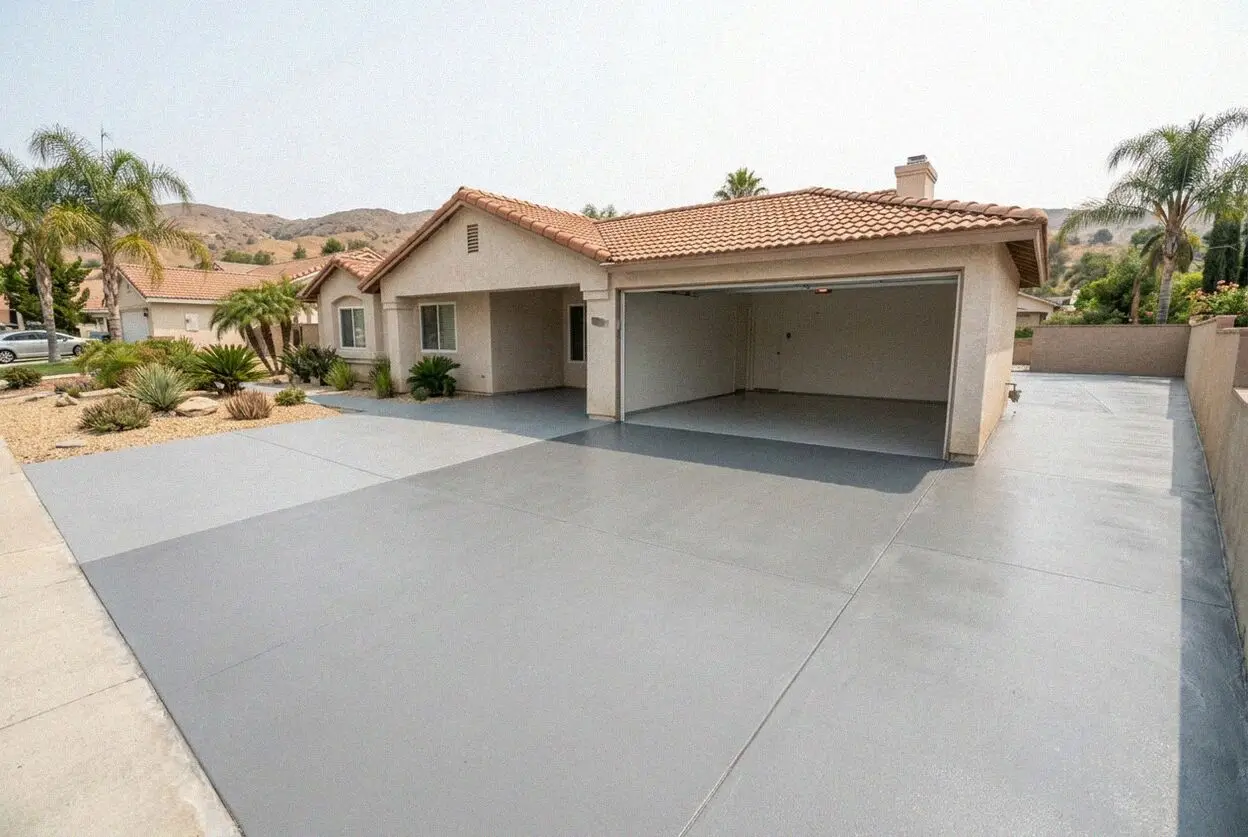
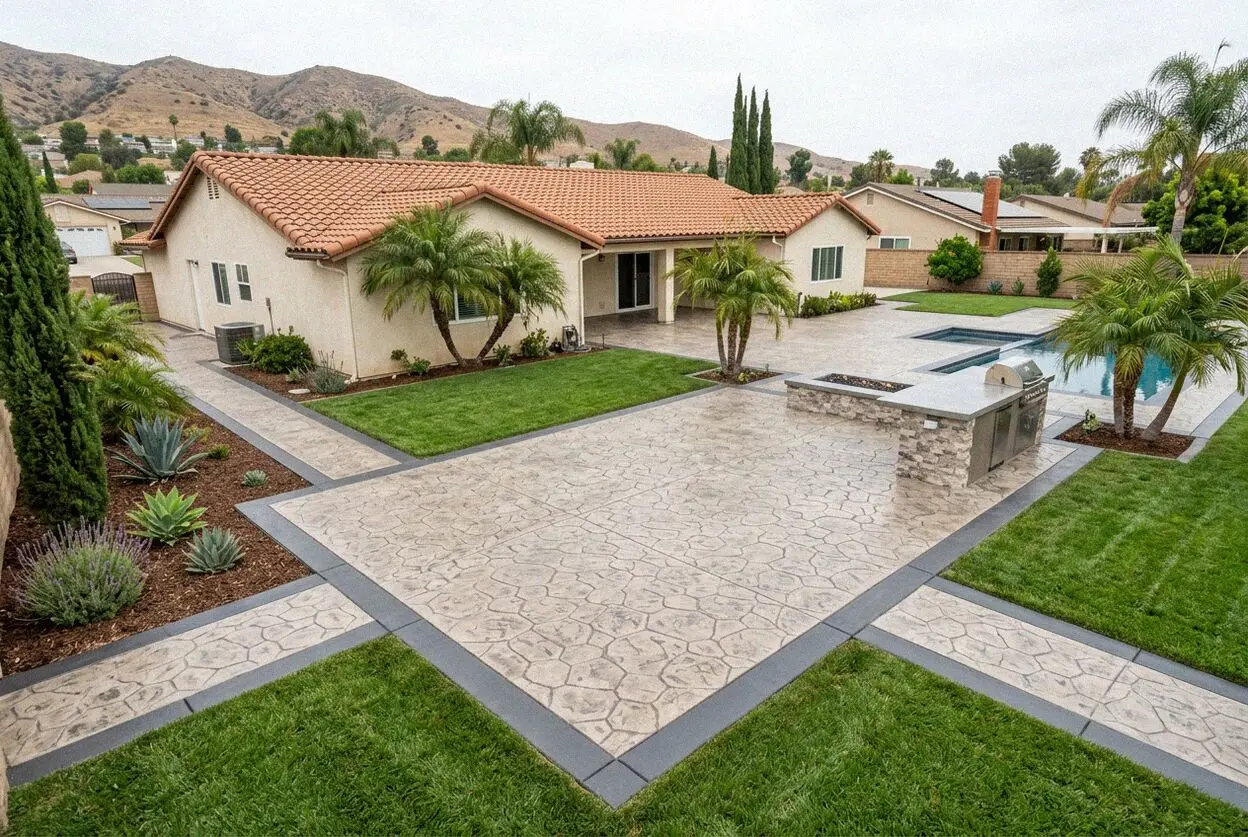
360 sq ft pressed in a seamless slate texture

Ruben Alcaraz put in 16 years on crews across the San Gabriel Valley, tract driveways through the older West Covina grid, floors in the industrial units off the 10, and walls cut into hill lots on the south side, before opening Citrus West Covina Concrete in 2019. The license is in his own name. He measures every estimate himself and is there for the pour.
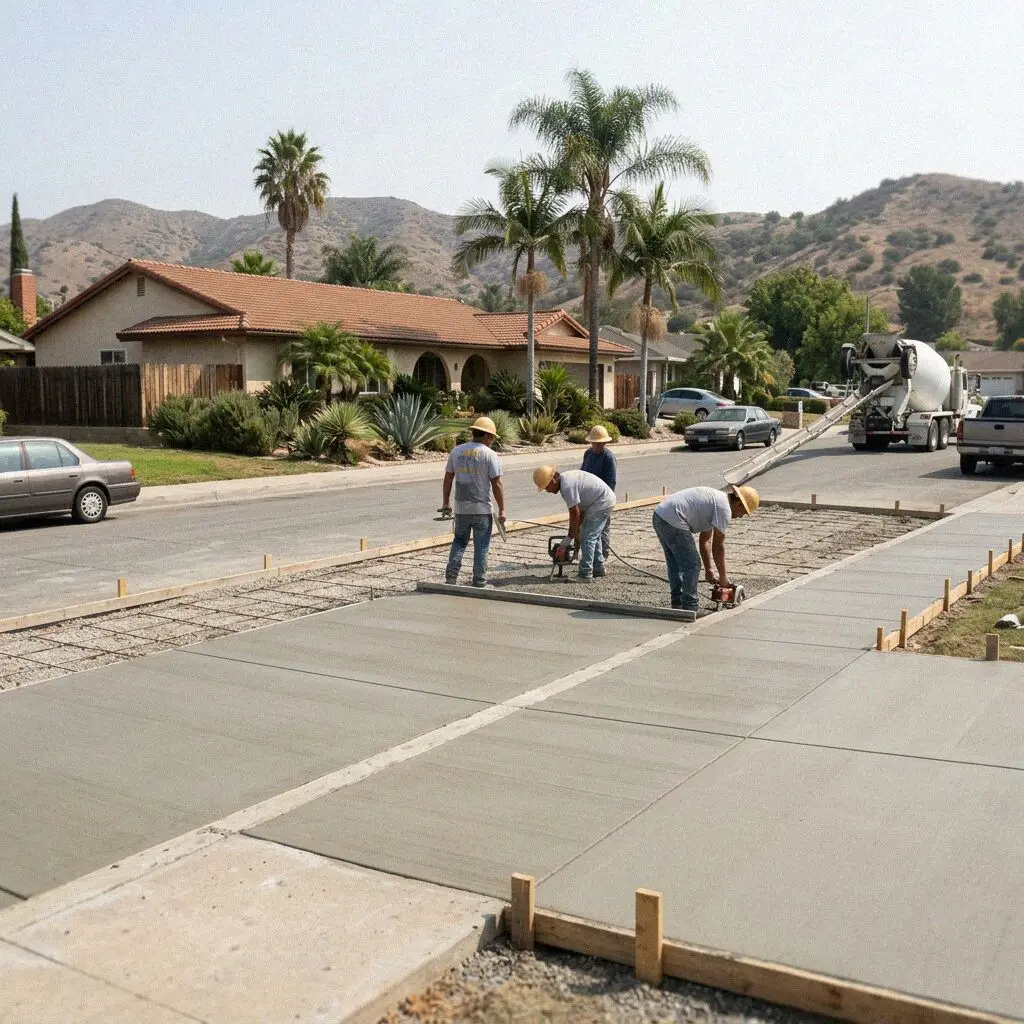
The Ground Here
A town that filled up between 1950 and 1960, a valley floor of mountain wash, hills of clay along its southern edge and two separate permit counters: every one of them lands on the estimate.
West Covina incorporated on 17 February 1923 as a farming town of a few hundred people and stayed one for thirty years. The change came after the war: 4,499 residents in 1950 and 50,645 by 1960, among the fastest growth of any city in the country over that decade. Tract after tract went in either side of what became Interstate 10, and the older grid along Valley Boulevard was swallowed by it. Practically every residential slab we take out was poured inside that ten-year window.
The ground changes as you cross town. North and through the middle it is alluvium off the San Gabriels, coarse material that sheds water fast, but that has lain under lawns and leaking irrigation for seventy years and settled unevenly. South, where the streets climb into the San Jose Hills, you are off the fan and onto soil weathered from folded marine rock: clay that takes water up in February and gives it back by August. One sets the base depth, the other the joint spacing.
Permits here are two desks, not one. The building permit is issued by the Building Division at the City of West Covina, Room 215 at City Hall on Garvey Avenue, and its counter runs Monday to Thursday, so a job filed late on a Thursday waits until Monday. Right-of-way work is separate: a driveway approach, a curb cut, a parkway or a length of public walk goes to the Engineering Division on its own permit. Section 5610 makes that walk the fronting owner's anyway.
Most drives here are being replaced rather than laid new, and that changes the question. On a lot built in 1957 the base is the expensive half of the work, so the surface that gets the most out of a rebuilt base is the one worth putting on top of it.
| Option | Lifespan | Back in use | Upkeep | On valley alluvium and hill clay |
|---|---|---|---|---|
| Poured concrete | 30-40 years | Walkable in 24-48 hrs, driven on at 7 days | Reseal every 2-3 years | Spans soft spots; the joints carry the movement |
| Asphalt paving | 15-20 years | Cars back on in 2-3 days | Sealcoat every 2-3 years | Goes soft over 100 degrees and prints under tires |
| Interlocking pavers | 25-50 years on a built base | Walk on it the same day | Re-sand joints every 1-2 years | Rides clay movement, but dips where water tracks |
Asphalt is the cheapest to lay down and the most expensive to keep. Pavers reverse that. Concrete is dearest to repair and cheapest to own.
Because clay takes up water and swells, then dries and shrinks, and a slab on it rides that twice a year. The city's south climbs into the San Jose Hills, where the soil weathered off folded marine rock rather than washing off the mountains, so there it comes out and rock goes back.
Not much that is still flat. West Covina held 4,499 people in 1950 and 50,645 by 1960, so most residential slabs here were poured inside a single decade and are 65 to 75 years old. A slab poured properly lasts 30 to 40, which is why replacement rather than repair is the usual answer.
Under California Streets and Highways Code section 5610 the owner of the fronting property maintains the footway beside it. Replacing a lifted panel is right-of-way work, so the permit comes from the Engineering Division rather than from Building, and filing it is part of the job.
The joints do. A slab shrinks while it cures and has to open somewhere, so we saw a groove at 2 to 3 foot spacings for every inch of depth and give the crack a line to follow. Where the ground is clay the spacing comes in, since the soil below travels further than the concrete.
Inside your own property line, usually not, the Residential Code exempts driveways and walks, never a patio slab. Step past it and you do: the approach, the curb and the parkway are city right-of-way. A retaining wall over 4 feet from the bottom of its footing needs one too.
Load does, not the ground. Four inches carries foot traffic and cars; five or six goes under a truck, an RV or the floor of a workshop. Depth is the one specification nothing added later can recover, an inch short and a slab breaks up under normal use within a few years.
Cost, base, thickness, sawn joints, the two permit counters, sealing and where the guarantee stops, answered for valley alluvium, hill clay and a town built in one decade.
Nobody can give you a figure from a description. Thickness is the biggest single lever: take a four-inch slab to five and both the concrete and the rock beneath it rise by a quarter. Then comes how much old material leaves the site, whether the fall wants a drain formed into it, and the finish.
Because of what is underneath. A drive poured in 1957 usually went straight onto graded native ground with little or no rock below it, and seventy years of water has washed the fines out from under. So on the day the old slab lifts, the base has to be built rather than tidied, and that is where the hours go.
By area, by access and by how much cut and fill the ground needs. On streets running up into the San Jose Hills a yard is often two or three feet out of level, so the slab gets stepped and a low wall carries the difference. Access moves it as much as anything: a side gate wide enough for the buggy is one price, and wheeling it all through the house is another.
Four inches under cars, five or six under anything heavier, a truck, a trailer, an RV. Nothing laid on afterward makes a thin slab thicker, so this is the number worth reading before you sign. What we intend to pour is on the sheet, and the depth gets checked against the forms rather than taken on trust from the truck.
Almost always the base. A 3,500 psi mix is the standard order here and is seldom the reason a slab goes; what goes is the material carrying it. Compacted angular rock spreads a wheel load and drains from underneath. Clay does neither, so on the hill streets it is dug out and rock is put back in compacted lifts.
They decide where the crack lands. A slab loses water as it cures and shortens, and something has to give; the sawn groove is a deliberate weak line for it to give along. Spacing runs 2 to 3 feet for every inch of thickness, tightened on the hill streets where the clay underneath moves most between February and August.
It can, and how depends where in the city you stand. North of the 10 the ground is alluvium off the San Gabriels: coarse material that sheds water quickly, but slumps wherever old fill was never compacted. Climb south into the San Jose Hills and you are on clay weathered from folded marine rock, which swells through the wet months and pulls back in the dry. The USDA Web Soil Survey shows what is under yours.
October to April, while afternoons stay in the 70s and 80s. The nearest published normals, at Pomona/Fairplex just east, put the mean high at 90.3 degrees in July and 92.4 in August, and at that heat the surface dries faster than the slab gains strength. Summer pours go ahead regardless, begun at first light, the surface kept damp for the seven days of cure the Portland Cement Association publishes.
Yes on anything colored or stamped, and worth doing on a plain finish too. Until it is sealed the surface stays porous, so a drip of oil or a hose left running soaks in and the mark stays put. Colored and stamped work also loses tone under the sun here sooner than the label allows for. Reseal every 2 to 3 years.
3 to 5 days on site for an ordinary house job, then the wait while it cures. On the older lots most of the first two days go on breaking out and digging, which is the unpredictable part, a drive sitting over rubble fill takes longer to get straight than one over clean ground. Walk on it after a day or two, drive on it after a week, load it at 28 days.
Two of them, and the split catches people out. The building permit comes from the Building Division in Room 215 at 1444 W Garvey Avenue South, whose counter runs Monday to Thursday. The approach, the curb cut, the parkway strip and the fronting public walk all count as right-of-way work, which belongs to the Engineering Division on a permit of its own. We file both.
Yes. a written workmanship guarantee against defects in how it was built comes with every job, and the estimate you signed is where its limits are set down: base preparation, slab depth, joint spacing and finish. Outside it sit staining, the wear a surface takes from use, and ground movement past what the joint layout was designed to absorb.
Where We Work
The work runs across the San Gabriel Valley and out into the valleys either side of it, 20 cities, every one inside 25 miles of the yard. Find yours on the list below; if it is not there, one phone call settles whether we still come out.
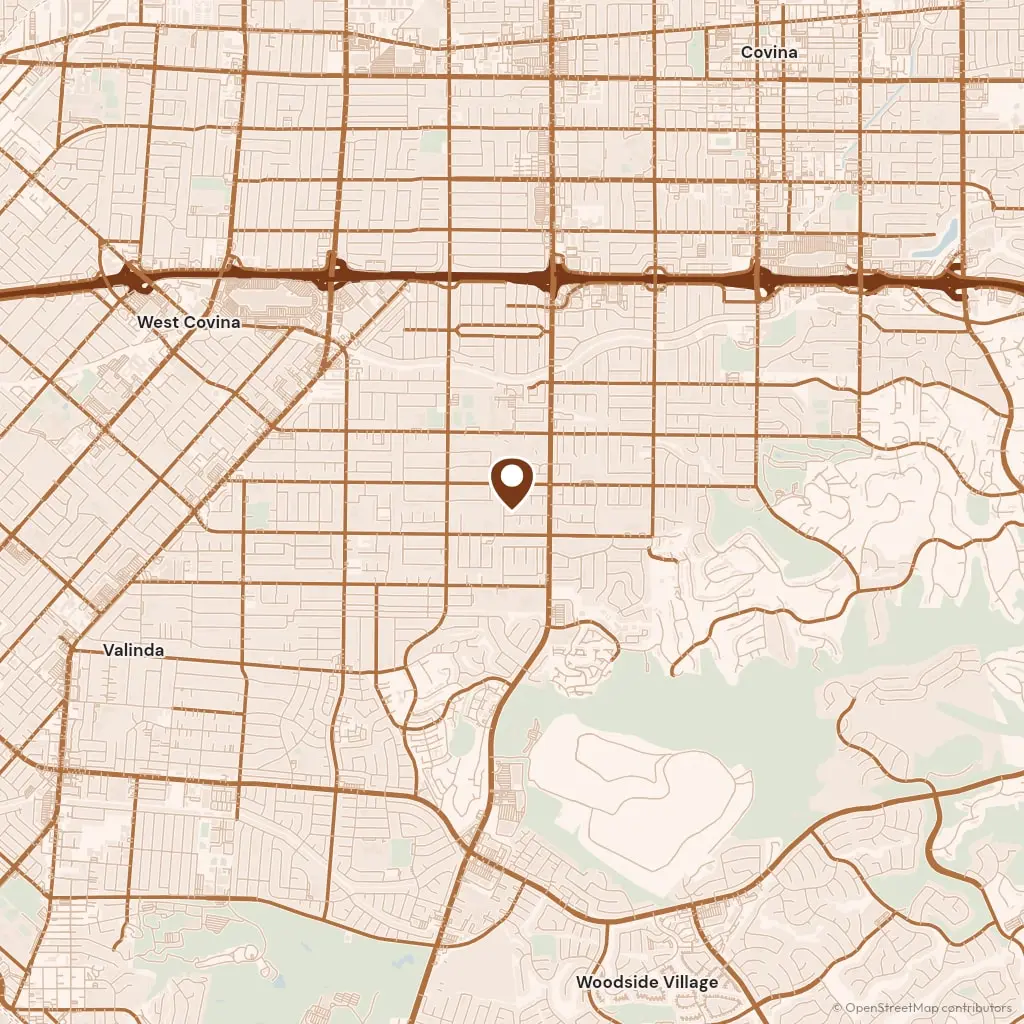 Open the West Covina Office in Google Maps
 Send the form or ring the office, and an answer comes back within 1 business day. Ruben Alcaraz comes out himself, measures the work, reads how the lot drains and writes the figure standing there, nothing is priced off a photograph.