Serving West Covina, CA and surrounding areas.(626) 263-1740
Citrus West Covina Concrete

Concrete Parking Lot Building in West Covina, CA, Resisting Expansive Clay Soils

Citrus West Covina Concrete pours six-inch reinforced parking slabs over crushed rock to stop panel faulting on local clay. Every estimate is measured and written on site

Google reviewsFacebook reviewsBetter Business Bureau reviews5.0 Stars Our customers' own rating · Facebook, Google and the BBB
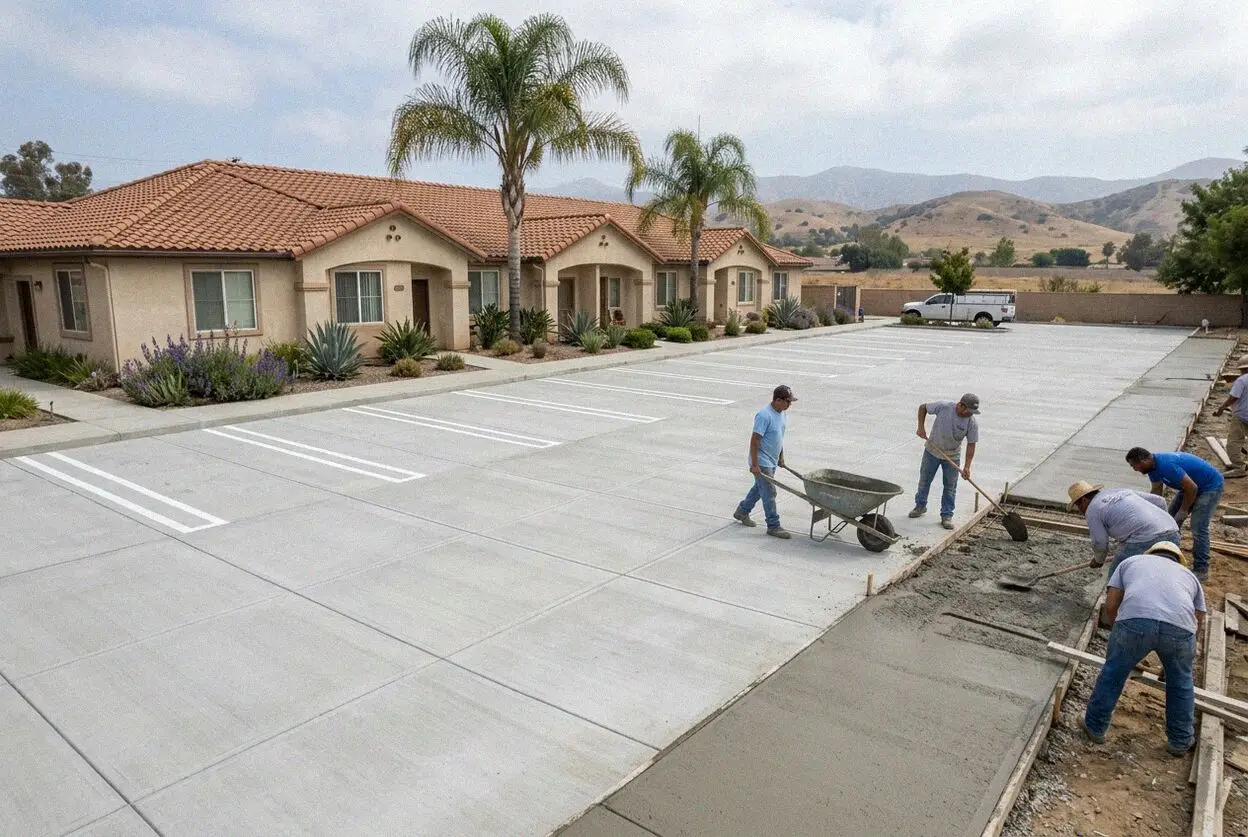
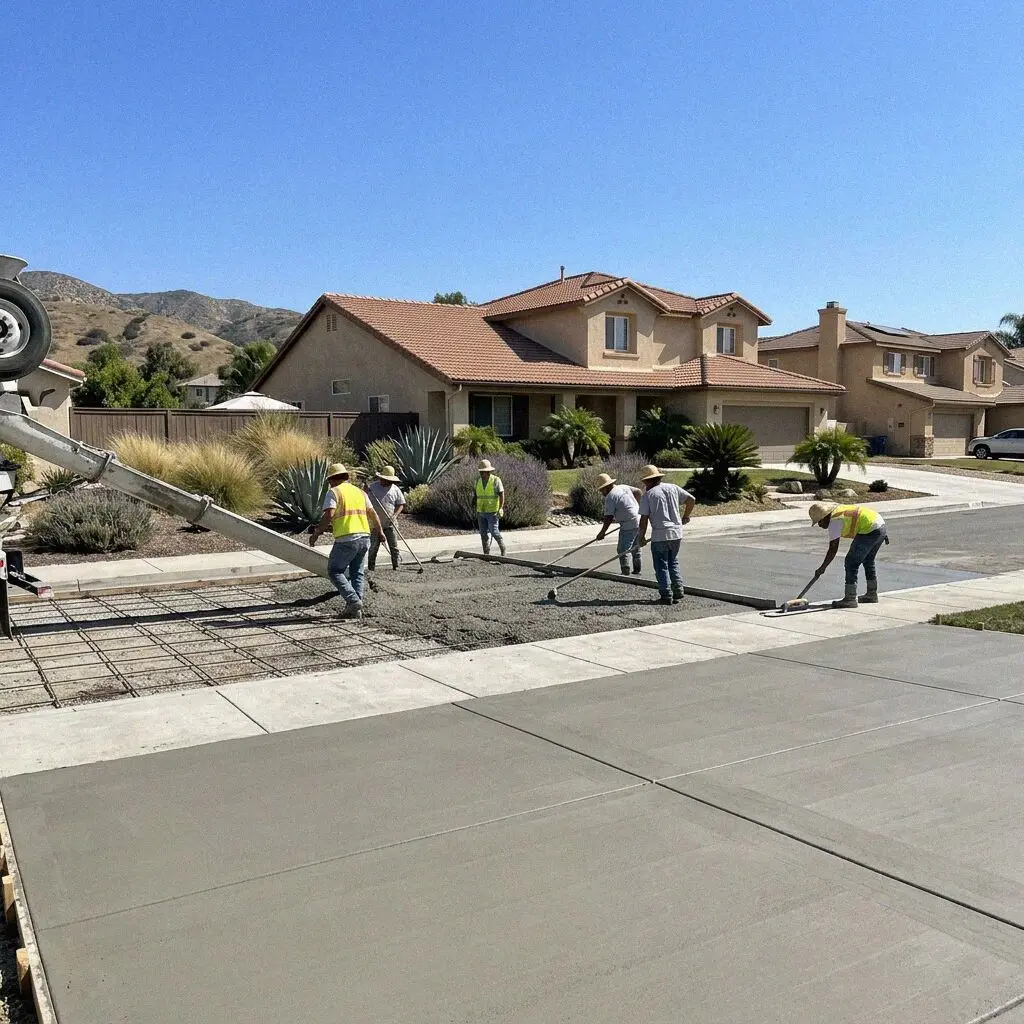
Finishing a reinforced concrete parking lot pour in West Covina
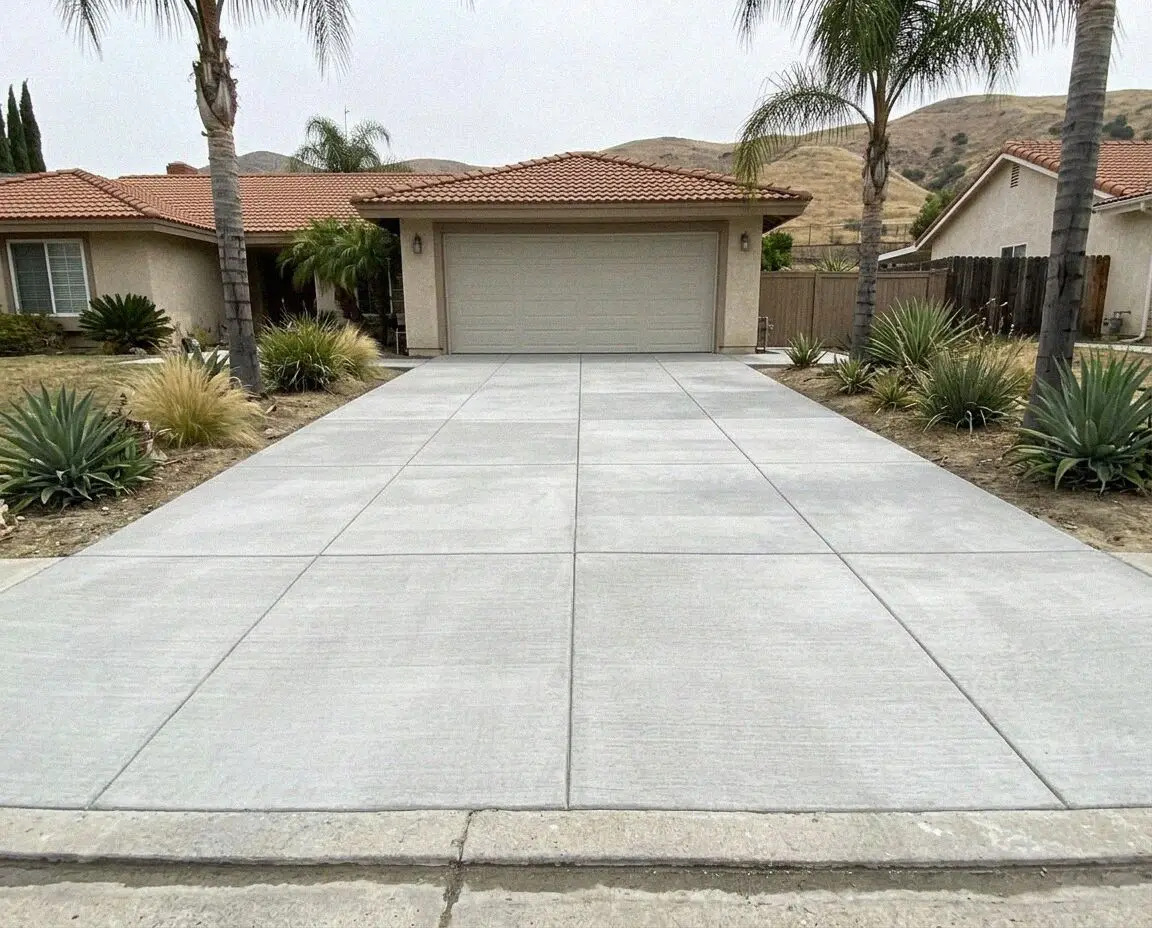
Commercial concrete parking lot on a retail property in West Covina

Pavement Scope

Paving Commercial Parking Lots in West Covina

Ruben Alcaraz directs every commercial lot pour in West Covina, drawing on 16 years on trade crews before founding the company in 2019. Commercial lots across the city handle daily freight deliveries and steady passenger turnover that expose weak subgrades. When unreinforced four-inch slabs meet heavy delivery axles over reactive clay, the concrete shears at the joints. We excavate the native dirt and place compacted crushed aggregate base.

Under the Portland Cement Association guidelines for heavy vehicle pavements, panel thickness and joint spacing determine service life. We pour a minimum six-inch slab using 4,000-psi commercial mix with tied grade 60 steel rebar set on chairs. This structural reinforcement prevents the differential settlement common in the San Gabriel Valley, where seasonal moisture shifts cause clay subgrades to swell and shrink.

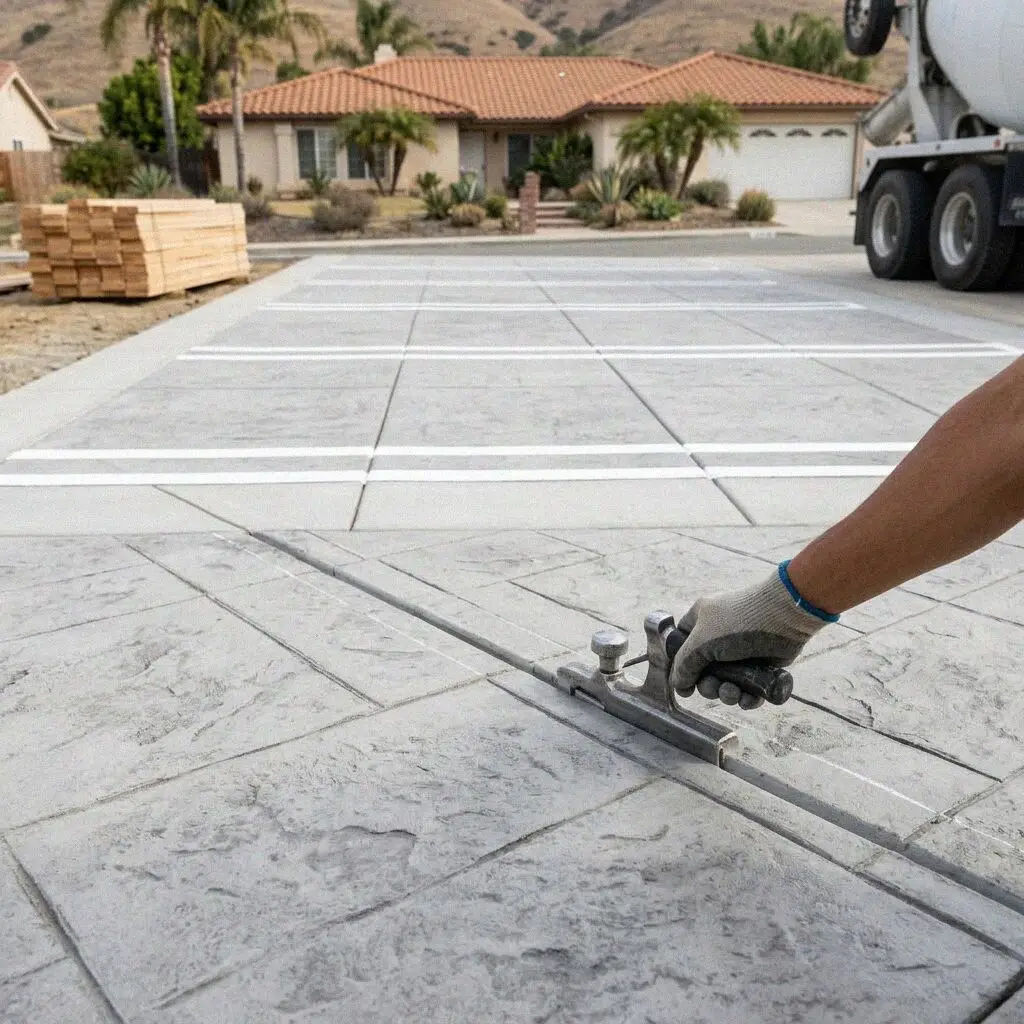
Operating under CSLB C-8 licensing with liability insurance on every job, our crews manage every phase from grading to final control joints. We saw control joints within 12 hours of pouring to establish clean contraction lines every 10 to 12 feet. This spacing stops uncontrolled cracking caused by thermal stress and vehicle torque, ensuring local businesses avoid surface faulting and premature reconstruction.

Pavement Wear

When Is a West Covina Parking Lot Past Resurfacing?

Faulted Slab Joints

Uneven joint edges appear when slabs settle at different rates under delivery truck axles. Water enters unsealed seams and softens the underlying subgrade clay during winter rains. Once panels shift vertically by more than half an inch, surface grinding cannot restore grade.

Summer Clay Heave Cracks

Summer heat reaching 95 degrees dries out native subgrade soils and pulls moisture from underneath perimeter panels. The underlying San Gabriel Valley clay shrinks unevenly, causing six-inch slabs without deep edge footings to crack across traffic lanes under commercial truck torque.

Fine Surface Map Crazing

Shallow surface networks of fine cracks look like simple cosmetic blemishes on hot parking lots. In reality, they reveal rapid surface drying during the initial placement that weakened the top quarter inch. Over two or three rainy seasons, traffic breaks the top layer into gravel.

Subgrade Mud Pumping

Wet subgrade soil pumping upward through working joints creates structural voids beneath the concrete panels. Heavy vehicles passing over unsupported slab corners snap the concrete within six to twelve months. Waiting forces complete subgrade rebuilds instead of panel resets.

Scope Details

Every Commercial Lot We Pour in West Covina Includes

Commercial pavement lasts decades when base compaction, slab thickness, and reinforcement match local clay dynamics instead of cutting corners with residential grade methods that fail under delivery fleets.

Asphalt and Dirt Removal

We break and haul old pavement down to design grade, removing up to 10 inches of unstable material to clear room for solid base.

Subgrade Proof Rolling

We test subgrade density with a loaded axle, excavating soft spots deeper than 12 inches and refilling them with compacted rock.

Crushed Aggregate Base

A four-inch crushed aggregate layer is compacted to 95 percent relative density, preventing expansive clay from lifting the slab.

4,000-PSI Commercial Mix

We pour 4,000-psi six-sack commercial concrete as standard, with high early strength blends available for fast turnarounds.

Thickened Edge Footings

All perimeter edges receive an eight-inch thickened concrete section with tied steel to prevent corner blowout under wheel loads.

Tied Steel Rebar Grid

Grade 60 steel rebar is placed at 18-inch centers on dobies, raising tensile capacity to stop panel separation under axle shear.

Site Sweeping and Wash

We haul form lumber, sweep dust from stall stalls, and check ADA stall slopes with a digital smart level before reopening.

Workmanship Guarantee

Every pour includes a written workmanship guarantee against defects in how it was built alongside standard concrete supplier warranties.

Paving Options

West Covina Commercial Lot Pavements Compared

Pavement choices dictate structural longevity under delivery trucks, where heavy axle turning stresses quickly destroy shallow surfaces while reinforced concrete slabs withstand both seasonal clay heave and wheel torque.

OptionLifespanTarget SiteMaintenanceCure Time
Standard 6-Inch Slab30 to 40 years of serviceRetail centers and standard office lotsJoint resealing every 5 years7 days for light cars
Heavy Duty 8-Inch Slab40 to 50 years of serviceDistribution docks and freight lanesJoint resealing every 7 years10 days for heavy trucks
Standard Hot Mix Asphalt20+ years of active useOlder 1950s commercial retail stripsSealcoating every 3 years3 days before parking
Interlocking Paver Lots20 to 25 years of serviceTight access lots and restricted entriesJoint sanding every 4 years2 days after placement

We measure vehicle turning paths, truck stall counts, and subgrade soil stability during the on-site inspection to specify the correct slab thickness.

Commercial parking lot base grading and prep work in West Covina

Regional Soils

What West Covina Ground Does to Concrete Lots

Summer pavement temperatures exceeding 100 degrees and subgrade clay swelling across 8 inches of depth demand reinforced concrete with compacted aggregate base.

According to the USDA Web Soil Survey, the soils across the San Gabriel Valley feature heavy clay textures with high shrink-swell potential. When winter storms soak Los Angeles County, this subgrade expands with tremendous force, lifting thin unreinforced slabs. During dry summer heat, the subsoil recedes, creating air voids that leave parking lot panels suspended without bottom support. Heavy delivery truck axles crack these unsupported panels within months.

With 2,589 people per square mile and commercial plazas lining thoroughfares like Azusa Avenue, local parking facilities face continuous stop and turn vehicle shear. When passenger cars and heavy delivery vans turn wheels in place while searching for stalls, torsional force shears the surface paste. We counter this wear by specifying a 4,000-psi mix with hard rock aggregates and a light broom finish that delivers traction while locking down the concrete surface.


Project Steps

How We Build a Commercial Lot in West Covina

Our structured build schedule maintains retail site access while ensuring each base compaction layer and concrete cure cycle reaches full engineering density before traffic enters.

1

Site Inspection and Survey

We measure stall dimensions, check drainage gradients with lasers, and record native soil conditions across the entire parking layout.

2

Engineering and Permitting

You approve the slab layout, we submit plans to the West Covina Building Division, and we schedule pouring dates around site traffic.

3

Demolition and Subgrade Check

Crews break failed asphalt and haul it to regional recyclers, proof rolling subgrade dirt and replacing soft pockets with crushed rock.

4

Placement and Reinforcement

We place four inches of compacted base and pour six inches of 4,000-psi concrete with rebar under direct supervision by Ruben Alcaraz.

5

Cleanup and Handover Walk

We haul forms, sweep bays, conduct a final walk-through with you, and deliver a written workmanship guarantee against defects in how it was built.

Cost Factors

What Determines Your West Covina Parking Lot Cost

Project pricing reflects site specific load requirements, soil stabilization depth, and daily traffic management staging rather than flat square footage calculations that ignore heavy delivery turning stresses.

Single-Family Home Lots

Access boundaries, fence clearances, and smaller square footage shape base preparation requirements on residential parcel parking.

Apartment Complex Lots

Tenant parking staging and phasing the pour across multiple sections change crew scheduling and equipment setup requirements.

Commercial Center Plazas

Loading dock approaches, trash enclosure pads, and ADA ramp tie-ins require specialized form elevations and thickened slab perimeters.

Fast-Curing Concrete Mixes

High-early strength additives and integral hardeners require on-site evaluation of ambient air temps and required opening schedules.

We evaluate existing soil compaction, water runoff paths, and commercial truck turning radiuses during our scheduled lot inspection. (626) 263-1740 or send us a message.

Request an On-Site Commercial Estimate

We measure your commercial pavement footprint, evaluate subgrade stability, and provide a clear written specification detailing slab thickness, rebar layout, and base rock depth before any work begins on your lot.

Request a Free Estimate

Written on site · No obligation

By submitting, you agree to our disclosure and consent terms, including being contacted by Citrus West Covina Concrete.

Client Reviews

Commercial Concrete Feedback From West Covina

Commercial property managers and business owners throughout the valley confirm how our reinforced concrete pours perform under heavy vehicle traffic.

Google review

“Our retail lot on Sunset Avenue needed full replacement across 8,500 square feet after asphalt gave out under delivery trucks. The crew excavated down ten inches, packed aggregate base rock, and poured six-inch slabs with rebar in four days. The surface remains flawless.”

M. Ramos, West CovinaConcrete Parking Lot Building · Google · 2025
Google review

“We had tight truck access behind our multi-tenant building where soft clay had cracked the previous pavement. They brought in compact grading rigs, tied rebar every 18 inches, and poured an eight-inch pad for our dumpster enclosures in three days. Solid structural execution.”

J. Okafor, West CovinaConcrete Parking Lot Building · Google · 2026
Facebook review

“Following the pour across our office parking stalls, we walked the entire 6,000 square foot slab together to inspect the control saw cuts. When I called back two months later regarding a minor drain collar seal, they returned the next morning. The written guarantee is genuine.”

S. Whitfield, West CovinaConcrete Parking Lot Building · Facebook · 2026

Direct Answers

Parking Lot Questions Asked in West Covina

Here are plain answers regarding commercial concrete specifications, city permits, project timelines, and structural guarantees for local properties.

(626) 263-1740
  • What factors set commercial parking lot costs?

    Total cost depends on slab thickness, subgrade excavation depth, base aggregate tonnage, and traffic phasing requirements. Demolishing thick existing asphalt, repairing soft clay subgrades with crushed rock, and installing grade 60 steel reinforcement change the scope on site. Phasing pours to keep business drive aisles open also adjusts crew labor and setup days.

  • How many days does a parking lot build take?

    A standard commercial lot build requires four to six working days from initial demolition to final control joint cutting. Deep subgrade stabilization over unstable clay, rain delays, and restricted property access expand this schedule. Passenger vehicles can safely park after seven days of curing, while heavy freight trucks must wait a full twenty-eight days for maximum design strength.

  • What is included on the written parking lot quote?

    Every commercial proposal covers demolition, subgrade compaction, steel reinforcement, 4,000-psi concrete placement, and control joint cutting. Two line items frequently mistaken as added expenses are subgrade proof rolling with heavy equipment and perimeter expansion joint caulking. Both appear directly on your itemized estimate as standard inclusions for long term durability.

  • Does a commercial parking lot require a city permit?

    Yes, commercial parking lots require plan check approval and permits through the West Covina Building Division. We handle all blueprint submissions, ADA accessibility compliance checks, and required municipal site inspections directly. If your project includes curb cuts across the public right of way or retaining walls over four feet, those elements require separate public works clearances.

  • Which season is optimal for pouring commercial lots?

    Autumn provides the most consistent conditions for commercial concrete pours in this region. Daytime temperatures averaging 75 degrees allow steady hydration without the rapid moisture loss caused by triple digit summer heat waves. Pouring during winter rainy spells risks subgrade saturation that adds multiple drying days, prolongs cure times, and traps excess water on the finished slab.

  • What coverage protects the finished concrete lot?

    Our work includes a written workmanship guarantee against defects in how it was built paired with supplier warranties on mix batch strength. Neither policy covers hairline surface checking from thermal shock, normal tire abrasion, or violent tectonic ground movement. Stating these boundaries plainly ensures business owners know precisely how their investment is protected.

  • Which concrete suppliers and equipment do you use?

    We pour commercial mixes batched locally from suppliers like Vulcan Materials and CalPortland, using standard six-sack 4,000-psi mixes for heavy vehicular duty. For high volume distribution docks, we upgrade to 5,000-psi mixes enhanced with polyolefin structural fibers for added shear strength. Heavy vibratory screeds and ride on power trowels ensure uniform density across wide bays.

  • Must property managers remain on site during work?

    No, property managers do not need to stay on site while our crew works. Before day one, ensure delivery trucks and tenant vehicles are relocated and gates remain unlocked. After placement, keep cones and caution barricades in place for at least seven full days. If an operational question arises during construction, you can call Ruben Alcaraz directly for immediate project updates.

Service Radius

Paving Commercial Lots in West Covina and Beyond

Our commercial concrete crews mobilize from West Covina to build durable, reinforced parking facilities for retail centers and commercial facilities throughout the region.

Show All Areas We Serve

Schedule Your West Covina Commercial Lot Estimate

We visit your property to measure subgrade elevations, evaluate delivery truck turning loads over local clay, and verify stall counts, returning your written proposal within 1 business day.